
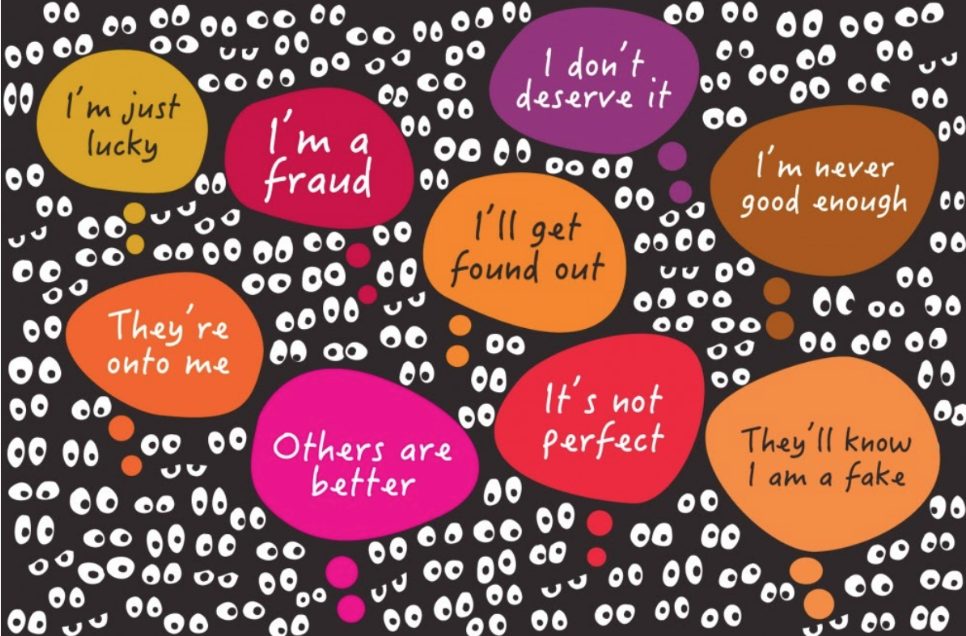
The impostor syndrome is a psychological phenomenon that is characterized by feelings of self-doubt, inadequacy, and the fear of being exposed as a fraud. It can affect individuals from all walks of life but is often experienced by highly successful people. Some of the most accomplished individuals that I’ve ever met have secretly felt like imposters.
When I work with clients who struggle with the impostor syndrome, it is almost as if they are in a delusional state. They cannot accept reality checks about themselves and continually discount their achievements. In addition, they are plagued with symptoms of anxiety, which they generally hide from family and friends. However, with counseling and coaching, all of my clients have made a full recovery and developed a balanced view of themselves.
This blog post discusses the psychological symptoms associated with feeling like an impostor, the origins of the syndrome, how to interrupt the cycle, and five ways to overcome it.
Psychological symptoms of the impostor syndrome:
Persistent self-doubt: People with impostor syndrome often doubt their own abilities and may question their own competence or accomplishments.
Fear of failure: Those with impostor syndrome may have an intense fear of failure and may avoid taking risks or trying new things because of this fear.
Anxiety and stress: The anxiety and stress associated with feeling like an impostor can be overwhelming and can affect a person’s mental health.
Perfectionism: People with impostor syndrome may set unrealistically high standards for themselves and may feel like they are constantly falling short. Check out my posts on perfectionism.
Negative self-talk: Individuals with impostor syndrome may engage in negative self-talk, criticizing themselves harshly and doubting their own abilities.
Fear of being exposed: Those with impostor syndrome may worry that others will discover they are not as competent as they seem, leading to feelings of shame and embarrassment.
Where does the impostor syndrome come from?
The impostor syndrome is often rooted in deeply held beliefs and thought patterns. These beliefs and thought patterns can be influenced by a variety of factors, including:
Upbringing: Messages received in childhood about success, achievement, and self-worth can influence an individual’s beliefs and thought patterns.
Cultural expectations: Certain cultures may place a high value on achievement and success, leading to feelings of pressure and self-doubt.
Societal pressures: External pressures such as media messages and societal expectations can also contribute to the impostor syndrome.
Personal experiences: Past experiences of failure or criticism can lead to feelings of self-doubt and inadequacy.
The Impostor Syndrome Cycle
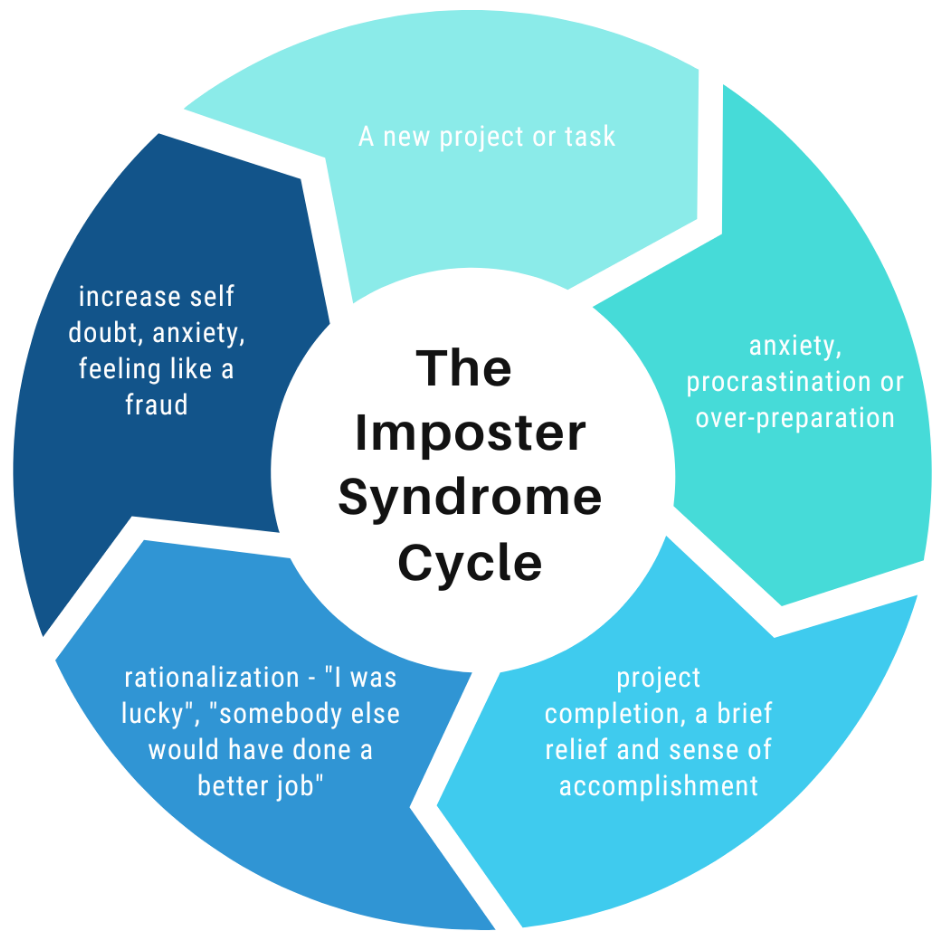
Many of my highly successful clients who struggle with the impostor syndrome fall prey to this vicious cycle. I work with my client to interrupt the cycle by using a variety of mindfulness, distress tolerance, and emotion regulation techniques.
Clients are initially coached to do the following to interrupt the cycle:
- Gently observe the need to overprepare or procrastinate. Do not change what you are doing. However, take time to manage your anxiety.
- Notice if you say, “I’m just lucky” after you get positive feedback. Be curious about this thought or response. Do not judge it as good or bad. Just notice it.
- If self-doubt arises after the project, take time to do something nice for yourself. Get a massage, go for a walk, take time to relax, or do something fun. Clients who struggle with the impostor syndrome almost never reward themselves or celebrate their achievements.
Strategies for overcoming the impostor syndrome:
Reframe negative thoughts
When negative thoughts arise, try to reframe them in a more positive light. Instead of focusing on your shortcomings, focus on what you have accomplished and the progress you have made. When you begin to diminish your achievements, immediately reframe these negative thoughts. Take 20 minutes each day to write out your negative thoughts, and then counter them with more realistic and/or positive thoughts.
Recognize your strengths
After you have reframed negative thoughts for at least two weeks, make a list of your achievements and reflect on the skills and abilities that helped you to achieve them. Keep your list of strengths on your computer and review them each morning for 30 seconds before you start your day. Do this ongoing.
Seek support
It can be helpful to talk to others who have experienced the impostor syndrome or who can provide support and encouragement. Reach out to a mentor, coach, or friend for guidance and support. You might enjoy listening to the audiobooks and podcasts of Brene Brown who addresses the shame associated with feeling like an impostor.
Take action
One of the best ways to overcome the impostor syndrome is to take action and step outside of your comfort zone. Try new hobbies and activities that challenge you. This can help you build confidence and recognize your abilities.
Practice self-compassion
Remember to be kind to yourself and practice self-compassion. Recognize that everyone makes mistakes and experiences self-doubt from time to time. You might enjoy reading or listening to the work of self-compassion expert, Dr. Kristen Neff. Many of my clients have enjoyed taking Neff’s free self-compassion test to learn where they struggle and how to increase self-compassion.
Final Thoughts
The impostor syndrome is a psychological phenomenon that can affect individuals from all walks of life. It can be overcome by reframing negative thoughts, recognizing your strengths, seeking support, taking action, and practicing self-compassion. Understanding where the impostor syndrome comes from and how to interrupt the cycle can also help individuals recognize and address their feelings of self-doubt and inadequacy.
Contact Me
If you struggle with the impostor syndrome and need coaching, I’m here to help. I invite you to schedule an appointment with me, Dr. Christine Dickson. Please reach out through my website.

Leave a Reply