
Category: Interpersonal Effectiveness
-
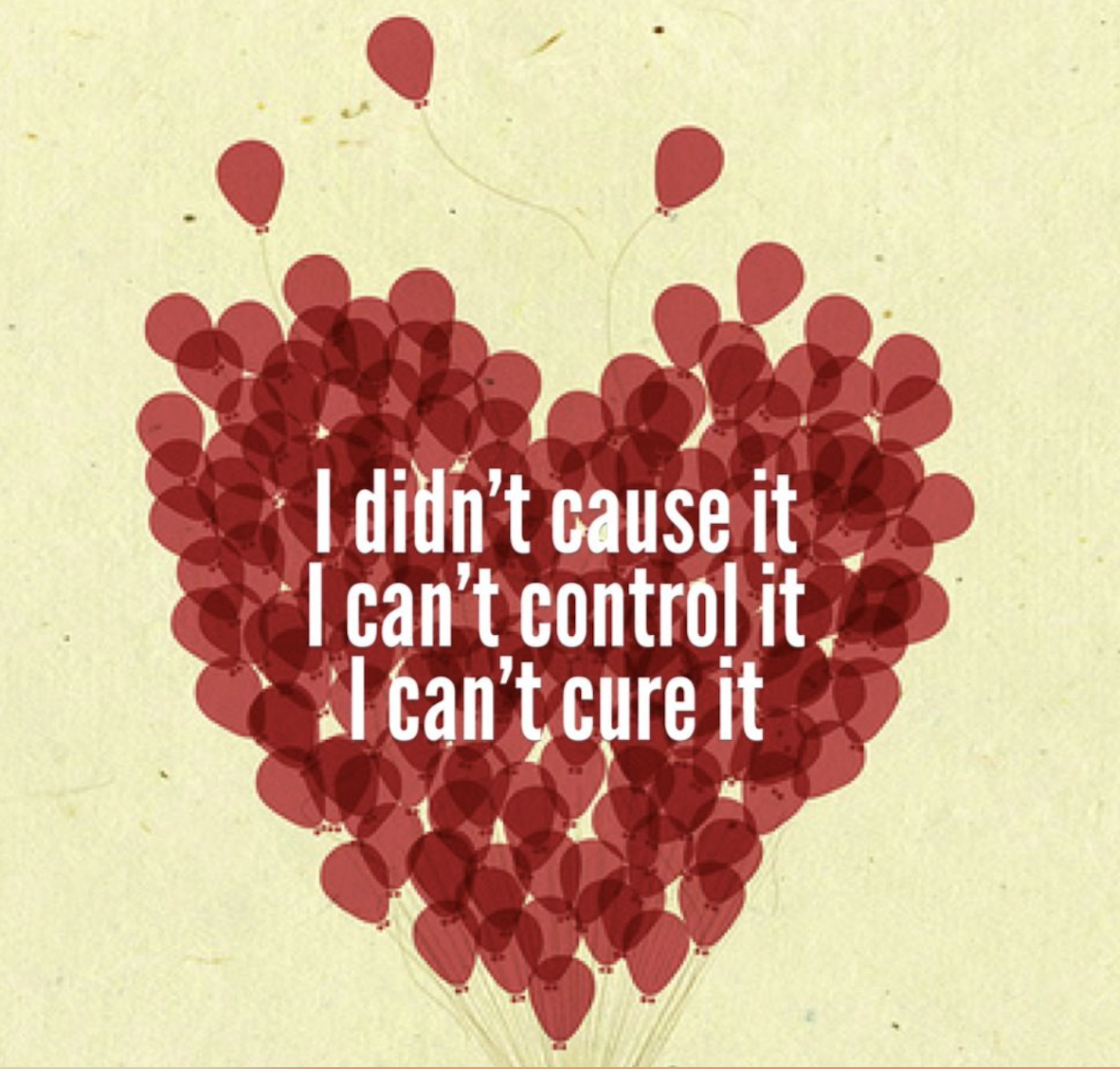
Stop Trying to Fix Them!
Some relationships leave us feeling drained, confused, or uncertain. But freedom begins with the three C’s.
-

Breaking Free from Scapegoating
Growing up in a dysfunctional family can have deep and lasting effects on individuals, especially if they are labeled as the family scapegoat. Scapegoating occurs when one family member is unfairly blamed, criticized, and targeted, carrying the burden of the family’s issues. This article will look at the dynamics of scapegoating, why children are often…
-

Tips for Making Small Talk
Small talk doesn’t have to feel awkward—it can be a powerful way to connect. In this guide, Dr. Christine E. Dickson shares practical tips for starting conversations, keeping them flowing, and building genuine connections with ease.
-
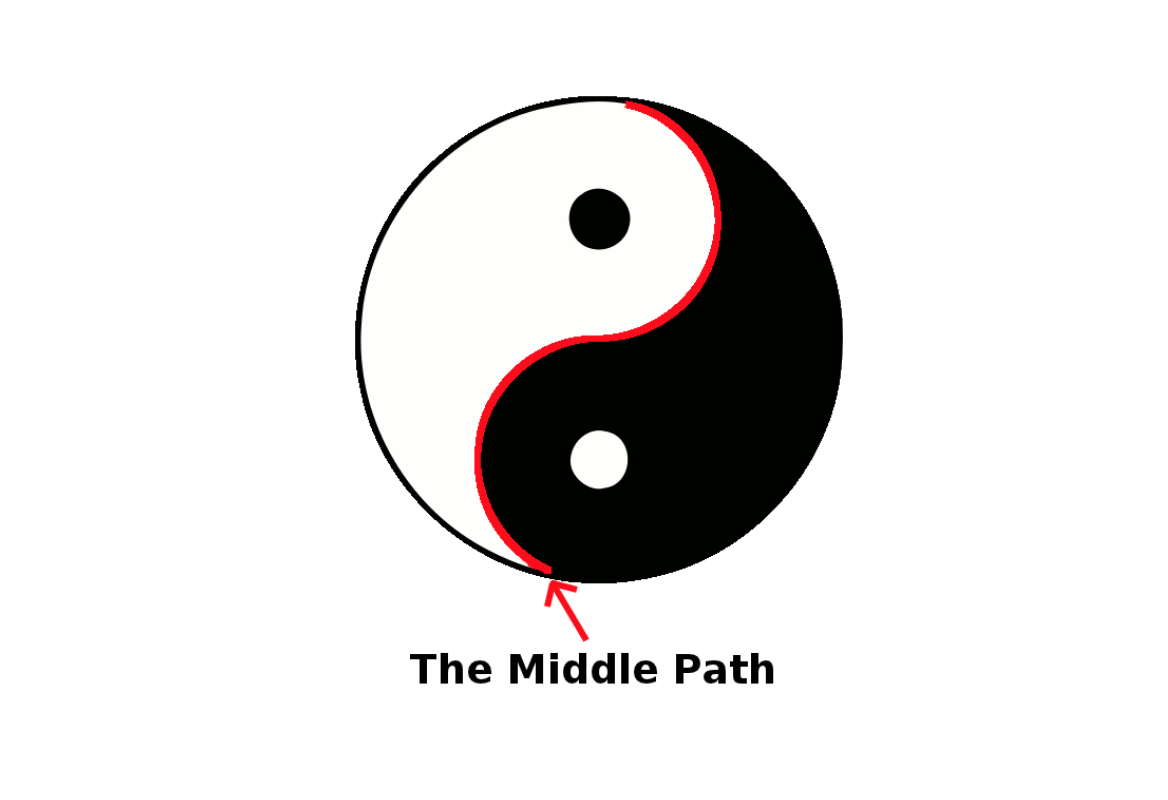
Analyzing Yourself on the Middle Path
The middle path is a mindfulness-based approach that replaces black-and-white thinking with balance and flexibility. As Dr. Christine E. Dickson explains, instead of swinging to extremes, we can consider multiple perspectives, weigh options, and use coping skills to both feel and manage emotions. Practicing mindful awareness helps us notice when we’re drifting to an extreme…
-

3 Steps to an Effective Apology
If you grew up in a dysfunctional family home, you most likely never learned to apologize effectively. As an adult, you probably apologize by quickly stating that you are “sorry” and then making excuses for your behavior or shifting blame to others. However, stating you are sorry does not convince people you are actually sorry.…
-

6 Steps to Staying Sane in the Conflict Zone
Conflict is an inevitable part of life, but learning how to manage it can protect our wellbeing. As Dr. Christine E. Dickson explains, staying calm in the “conflict zone” is a skill we can develop. By avoiding triggers, not taking things personally, giving ourselves time-outs, practicing mindful breathing, talking through feelings, and keeping a sense…
-
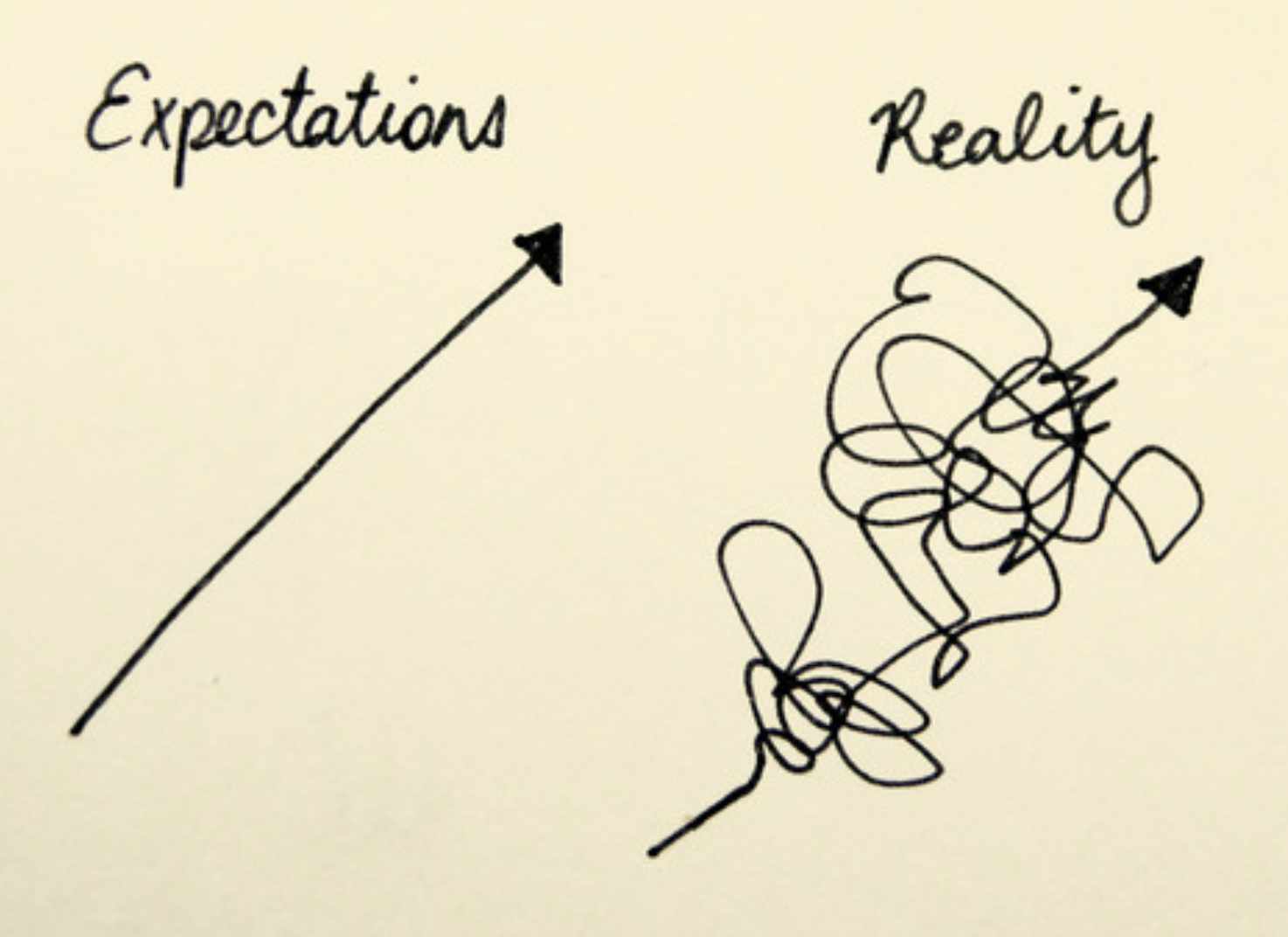
People Aren’t Perfect
Unrealistic expectations can damage even the strongest relationships. In this post, you’ll learn how letting go of perfection, practicing forgiveness, and adjusting your mindset can help you build healthier connections with the people in your life.
-

Communication Strategies for Conflict Avoidant People
Sometimes very successful, intelligent people have difficulty navigating conflict at home and at work and behave in conflict avoidant ways. As children they learned that staying quiet and not expressing what they needed was more effective than arguing or speaking out. Staying quiet and avoiding conflict developed into the personality trait known as agreeableness, which…
-
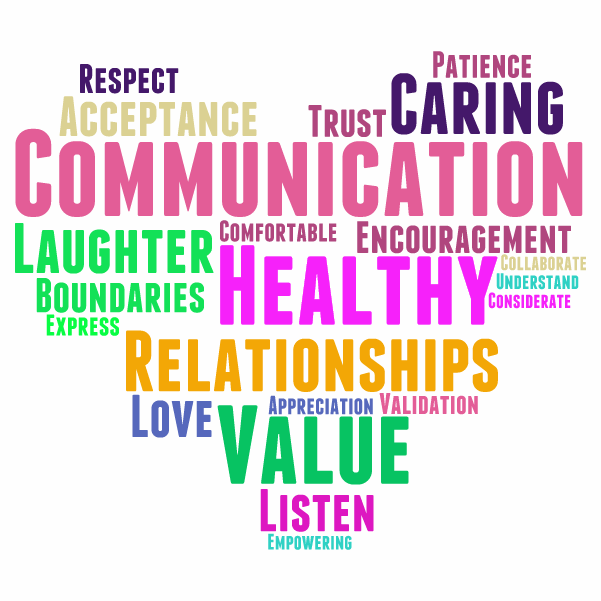
Guidelines for Relationship Effectiveness
It’s unrealistic to think that we can avoid conflict in our relationships. Relationship conflict is a natural and normal aspect of any connection. So much so that if a client tells me they never argue with their loved ones, I immediately think something is wrong. However, relationship effectiveness is critical for all successful long-term relationships.…
-

Working from Home with Kids During a Lockdown
As a psychologist, I’ve identified 8 strategies to help parents more effectively work from home with their children. With children out of school, no sports, no camps, no activities, and no playdates it is a tremendous upheaval and disruption. At first kids will enjoy having no school or activities but in the coming weeks it…