
Tag: self-awareness
-

Overcoming Outrage Addiction
Outrage is everywhere today — in the news, on social media, and even in daily conversations. While anger can sometimes spark positive change, it can also become addictive and damaging to our mental health. In this post, Dr. Christine Dickson explains what outrage addiction is, why it’s harmful, and how you can break free to…
-

The Codependent Sea: A Short Story
Codependency is more than enabling someone’s addiction — it’s a complex psychological trap that can draw even well-adjusted people into harmful relationships. In this post, Dr. Christine Dickson shares insights from decades of clinical experience and introduces her story of the “codependent sea” to help readers recognize, understand, and begin to break free from these…
-
Practicing Stoicism in Daily Life
“Stoicism isn’t about suppressing emotions—it’s about mastering them. Learn practical ways to apply Stoic wisdom in daily life for resilience, clarity, and peace.”
-
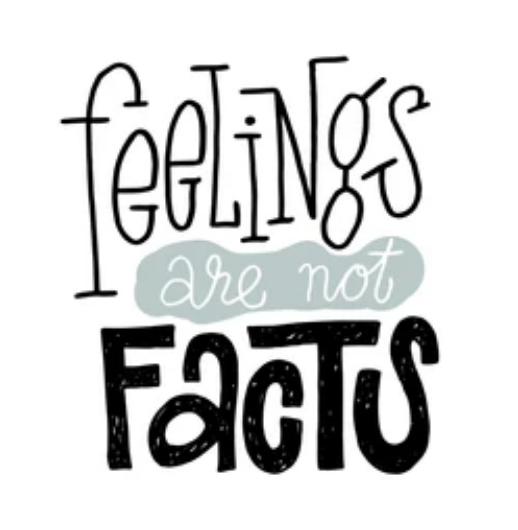
Fact-Checking Our Emotions
Feelings are powerful, but they don’t always reflect reality. In this article, Dr. Christine E. Dickson explains how recognizing that “feelings aren’t facts” can help you manage emotions more effectively, challenge unhelpful thoughts, and make choices aligned with your values.
-

A Cloud Never Dies
Thích Nhất Hạnh reminds us that fear of death comes from the illusion of birth and annihilation. In Fear: Essential Wisdom for Getting Through the Storm, he teaches that there is no true beginning or end—only continuation. In this article, Dr. Christine E. Dickson reflects on Hanh’s wisdom and shares how meditating on non-being can…
-
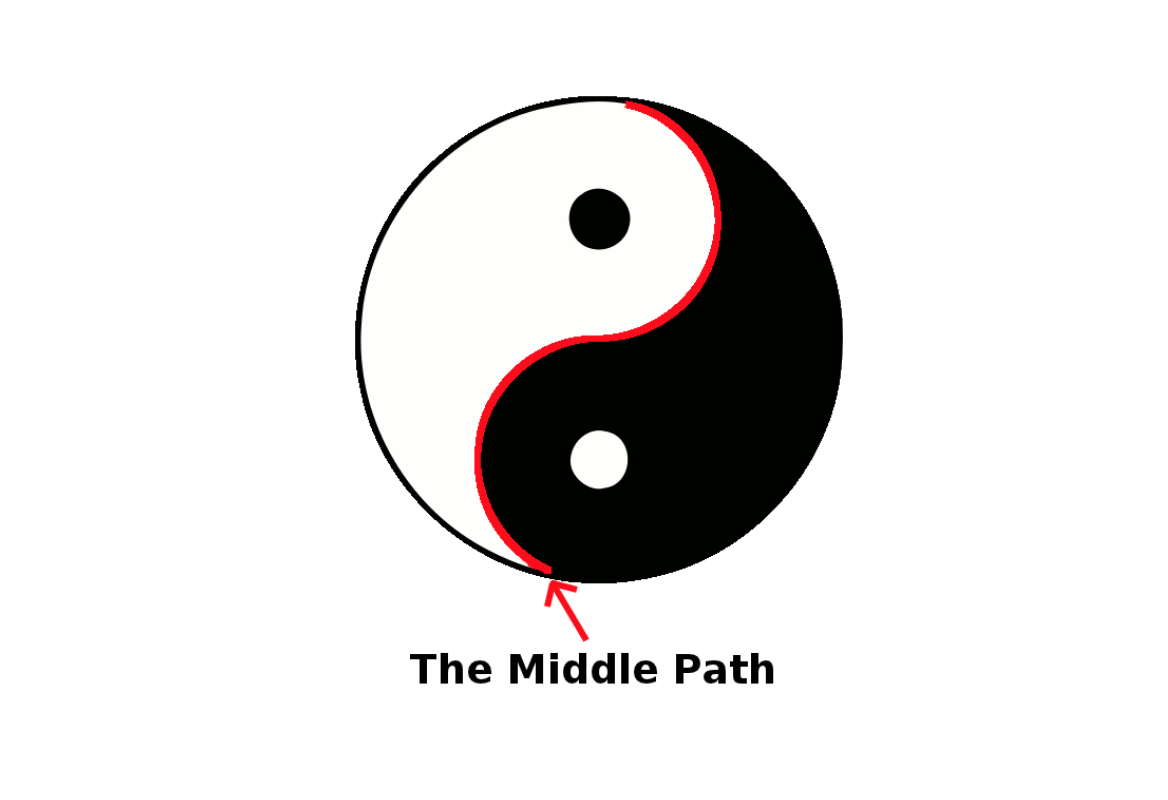
Analyzing Yourself on the Middle Path
The middle path is a mindfulness-based approach that replaces black-and-white thinking with balance and flexibility. As Dr. Christine E. Dickson explains, instead of swinging to extremes, we can consider multiple perspectives, weigh options, and use coping skills to both feel and manage emotions. Practicing mindful awareness helps us notice when we’re drifting to an extreme…
-

What does it mean to be present?
Being in the present moment is often suggested as a way to reduce stress and anxiety, but many people don’t know how to put it into practice. As Dr. Christine E. Dickson explains, true presence is more than 20 minutes of yoga or meditation—it’s a way of living. Inspired by Rana DiOrio’s What Does It…
-

3 Steps to an Effective Apology
If you grew up in a dysfunctional family home, you most likely never learned to apologize effectively. As an adult, you probably apologize by quickly stating that you are “sorry” and then making excuses for your behavior or shifting blame to others. However, stating you are sorry does not convince people you are actually sorry.…
-
How to Make a Shame Siren
Toxic shame convinces us that we are “not good enough” or “worthless,” fueling anxiety, depression, and destructive behaviors. As Dr. Christine E. Dickson explains, the first step in healing is recognizing when we shame ourselves or allow others to shame us. Using tools like the “Shame Siren” and daily affirmations, we can externalize shame, reclaim…
-
7 Ways to Overcome Perfectionism
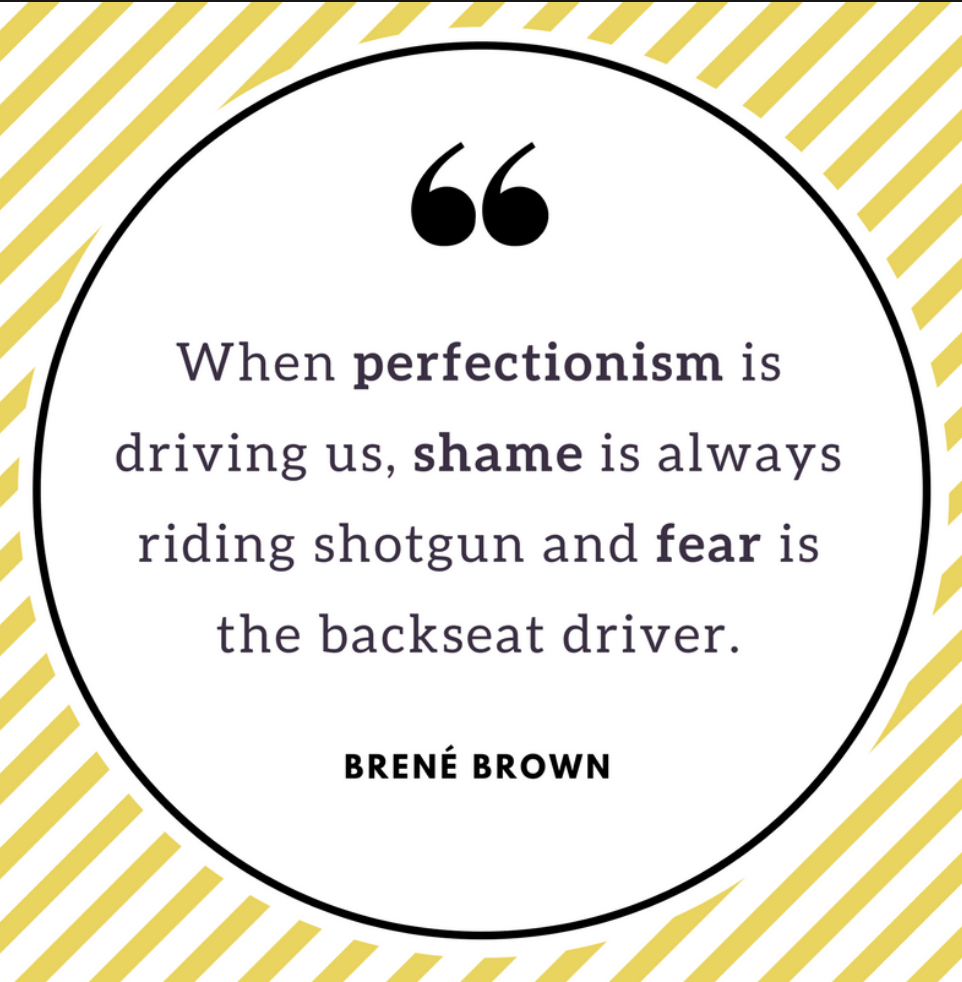
Perfectionism is one of the strongest drivers of anxiety, rooted in the belief that worth depends on achievements. As Dr. Christine E. Dickson explains, perfectionism often leads to self-criticism, burnout, and low self-esteem—but it doesn’t have to. By recognizing unhealthy thinking styles, focusing on progress over flaws, setting realistic goals, and embracing pleasure in daily…