
Tag: personal growth
-

Embrace Being an Outsider
Feeling like an outsider doesn’t have to be negative—it can actually be a strength. In this article, Dr. Christine E. Dickson explores five powerful benefits of being on the outside looking in, including fresh perspective, freedom, objectivity, versatility, and resilience. Learn how to embrace your uniqueness and turn it into an advantage.
-

A Cloud Never Dies
Thích Nhất Hạnh reminds us that fear of death comes from the illusion of birth and annihilation. In Fear: Essential Wisdom for Getting Through the Storm, he teaches that there is no true beginning or end—only continuation. In this article, Dr. Christine E. Dickson reflects on Hanh’s wisdom and shares how meditating on non-being can…
-

Working Through Shame
Shame can leave us feeling unworthy and disconnected, but healing is possible through self-discovery and compassion. In this article, Dr. Christine E. Dickson outlines strategies to work through shame—such as identifying its roots, practicing vulnerability, challenging shame-based beliefs, and embracing self-forgiveness—so you can reclaim your sense of worth and rebuild self-esteem.
-
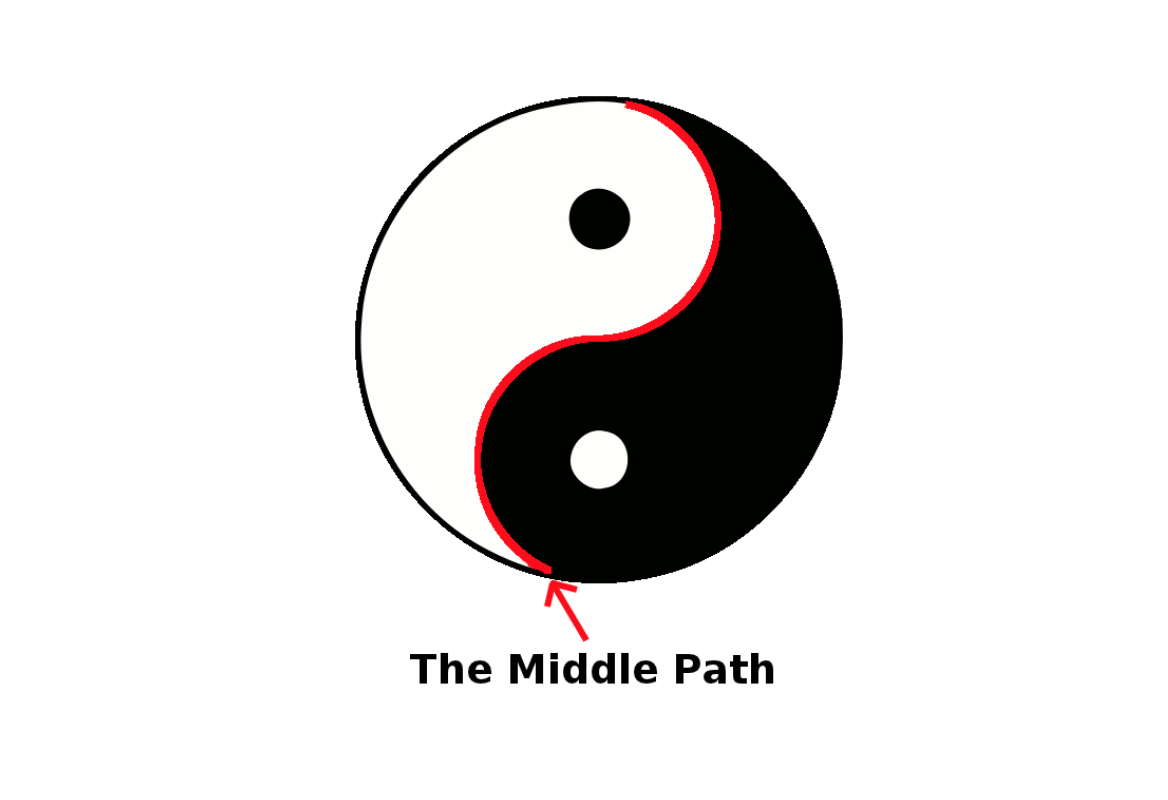
Analyzing Yourself on the Middle Path
The middle path is a mindfulness-based approach that replaces black-and-white thinking with balance and flexibility. As Dr. Christine E. Dickson explains, instead of swinging to extremes, we can consider multiple perspectives, weigh options, and use coping skills to both feel and manage emotions. Practicing mindful awareness helps us notice when we’re drifting to an extreme…
-

What does it mean to be present?
Being in the present moment is often suggested as a way to reduce stress and anxiety, but many people don’t know how to put it into practice. As Dr. Christine E. Dickson explains, true presence is more than 20 minutes of yoga or meditation—it’s a way of living. Inspired by Rana DiOrio’s What Does It…
-
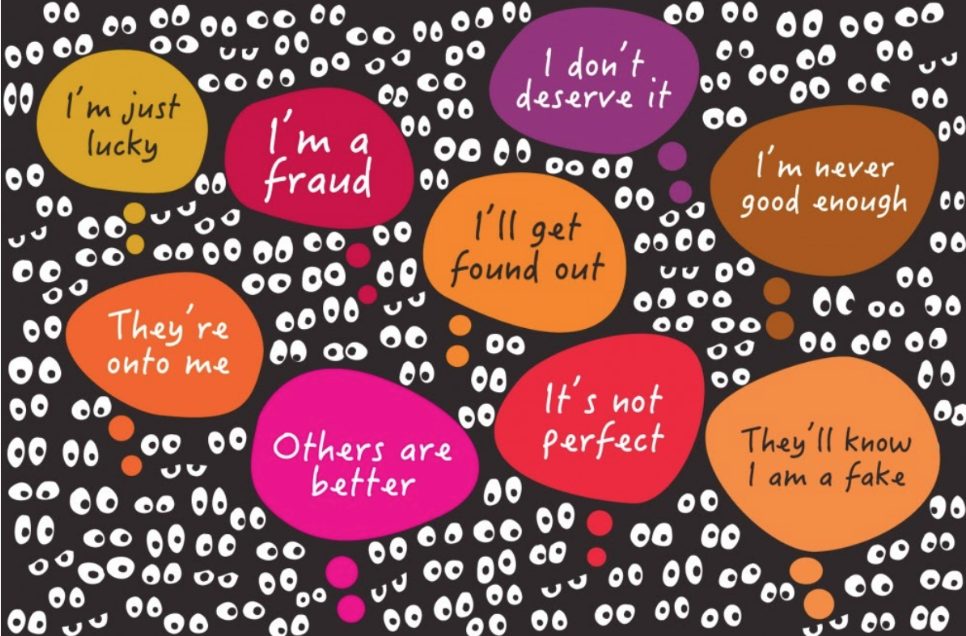
Overcoming the Impostor Syndrome
Imposter syndrome is a common but painful experience marked by self-doubt, perfectionism, and the fear of being exposed as a fraud. Even highly accomplished people often struggle silently with these feelings. As Dr. Christine E. Dickson explains, imposter syndrome creates a cycle of anxiety, negative self-talk, and discounting achievements—but it is possible to break free.…
-

3 Steps to an Effective Apology
If you grew up in a dysfunctional family home, you most likely never learned to apologize effectively. As an adult, you probably apologize by quickly stating that you are “sorry” and then making excuses for your behavior or shifting blame to others. However, stating you are sorry does not convince people you are actually sorry.…
-
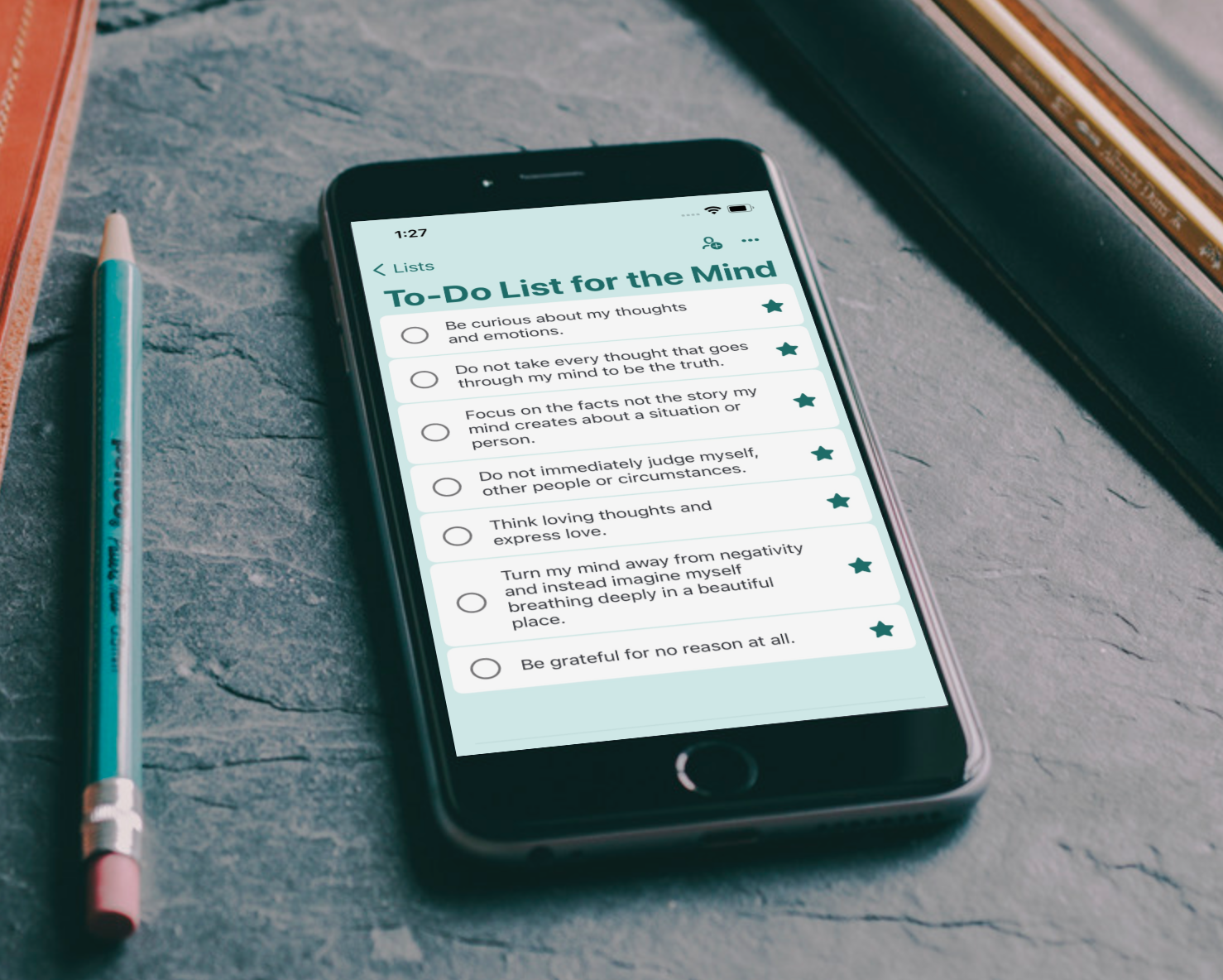
To-Do List for the Mind
Most of us rely on to-do lists to stay organized and productive, but what if we created a to-do list for the mind? As Dr. Christine E. Dickson discovered, using a to-do list app to write positive thoughts instead of tasks can help us value and practice them daily. By reading this list each morning,…
-

The Gift of Dyslexic Thinking
Anyone who knows me would tell you I am a creative, out-of-the-box thinker with strong analytical and intuitive skills. What many people don’t know is that I grew up struggling with dyslexia and was placed in special education despite winning awards for creativity. My grandparents, with only eighth-grade educations, became my most important teachers—helping me…
-

How to Make a Shame Siren
Toxic shame convinces us that we are “not good enough” or “worthless,” fueling anxiety, depression, and destructive behaviors. As Dr. Christine E. Dickson explains, the first step in healing is recognizing when we shame ourselves or allow others to shame us. Using tools like the “Shame Siren” and daily affirmations, we can externalize shame, reclaim…