
Category: Shame & Unworthiness
-

Breaking Free from Scapegoating
Growing up in a dysfunctional family can have deep and lasting effects on individuals, especially if they are labeled as the family scapegoat. Scapegoating occurs when one family member is unfairly blamed, criticized, and targeted, carrying the burden of the family’s issues. This article will look at the dynamics of scapegoating, why children are often…
-

Working Through Shame
Shame can leave us feeling unworthy and disconnected, but healing is possible through self-discovery and compassion. In this article, Dr. Christine E. Dickson outlines strategies to work through shame—such as identifying its roots, practicing vulnerability, challenging shame-based beliefs, and embracing self-forgiveness—so you can reclaim your sense of worth and rebuild self-esteem.
-
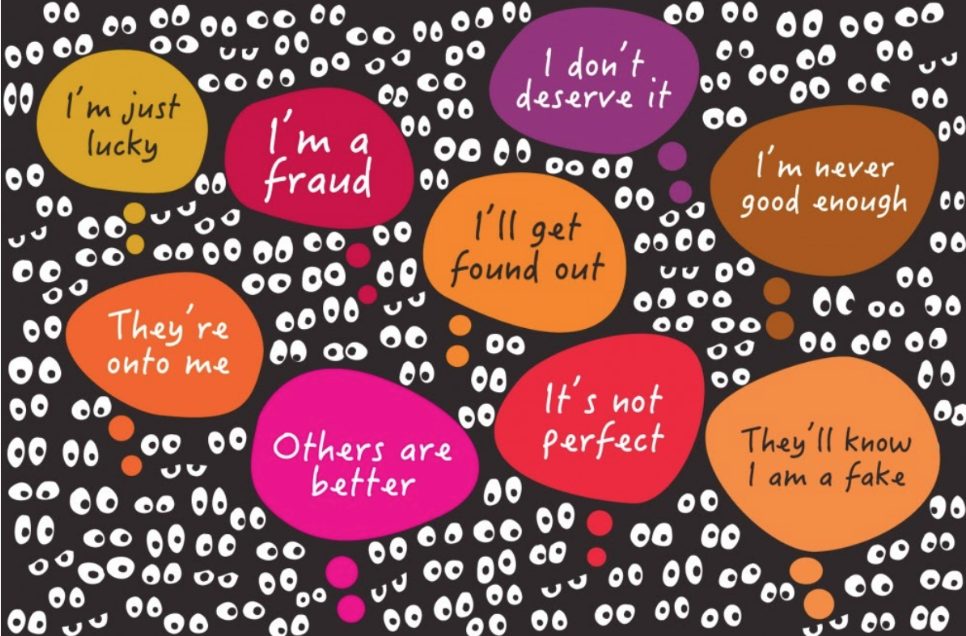
Overcoming the Impostor Syndrome
Imposter syndrome is a common but painful experience marked by self-doubt, perfectionism, and the fear of being exposed as a fraud. Even highly accomplished people often struggle silently with these feelings. As Dr. Christine E. Dickson explains, imposter syndrome creates a cycle of anxiety, negative self-talk, and discounting achievements—but it is possible to break free.…
-

How to Make a Shame Siren
Toxic shame convinces us that we are “not good enough” or “worthless,” fueling anxiety, depression, and destructive behaviors. As Dr. Christine E. Dickson explains, the first step in healing is recognizing when we shame ourselves or allow others to shame us. Using tools like the “Shame Siren” and daily affirmations, we can externalize shame, reclaim…
-

Stopping Obsessive Shaming Thoughts
The emotion of shame can be overwhelming to say the least. Stopping obsessive shaming thoughts can be even more difficult. Shame-inducing thoughts tend to fall into three categories: Self put downs such as “I’m stupid,” “I’m fat,” “I can’t do anything right.” Catastrophic thoughts about one’s ability to handle the future. Critical or shaming thoughts…