
Category: Emotion Regulation
-

How to Use the STOP Skill
When emotions run high, it’s easy to react impulsively. The STOP technique—Stop, Take a breath, Observe, Proceed—offers a mindful way to pause and respond with clarity. In this article, Dr. Christine E. Dickson explains how to use this DBT skill in everyday life, so you can manage stress, improve relationships, and make more intentional choices.
-

Using TIP to Tolerate Distress
When emotions feel overwhelming, the TIP skill—Temperature, Intense Exercise, and Paced Breathing—can help calm your body and mind fast. In this article, Dr. Christine E. Dickson explains how to use this DBT distress tolerance tool to reset your body chemistry, reduce anxiety, and regain control in moments of high stress.
-

Pushing Away: A Distress Tolerance Tool
Emotions can’t always be controlled, but they can be managed with the right tools. The DBT skill “Pushing Away” helps create distance from overwhelming feelings so you can respond more calmly. In this article, Dr. Christine E. Dickson explains how to use this distress tolerance technique to pause, regroup, and approach emotions with greater clarity.
-

How to Manage Complex PTSD
Complex PTSD (C-PTSD) can leave survivors feeling trapped in cycles of pain, but healing is possible. Drawing on insights from Bessel van der Kolk, author of The Body Keeps the Score, Dr. Christine E. Dickson shares strategies for recovery—including mindfulness, exercise, social support, creativity, and trauma-focused therapy—to help you reclaim your life.
-

Working Through Shame
Shame can leave us feeling unworthy and disconnected, but healing is possible through self-discovery and compassion. In this article, Dr. Christine E. Dickson outlines strategies to work through shame—such as identifying its roots, practicing vulnerability, challenging shame-based beliefs, and embracing self-forgiveness—so you can reclaim your sense of worth and rebuild self-esteem.
-
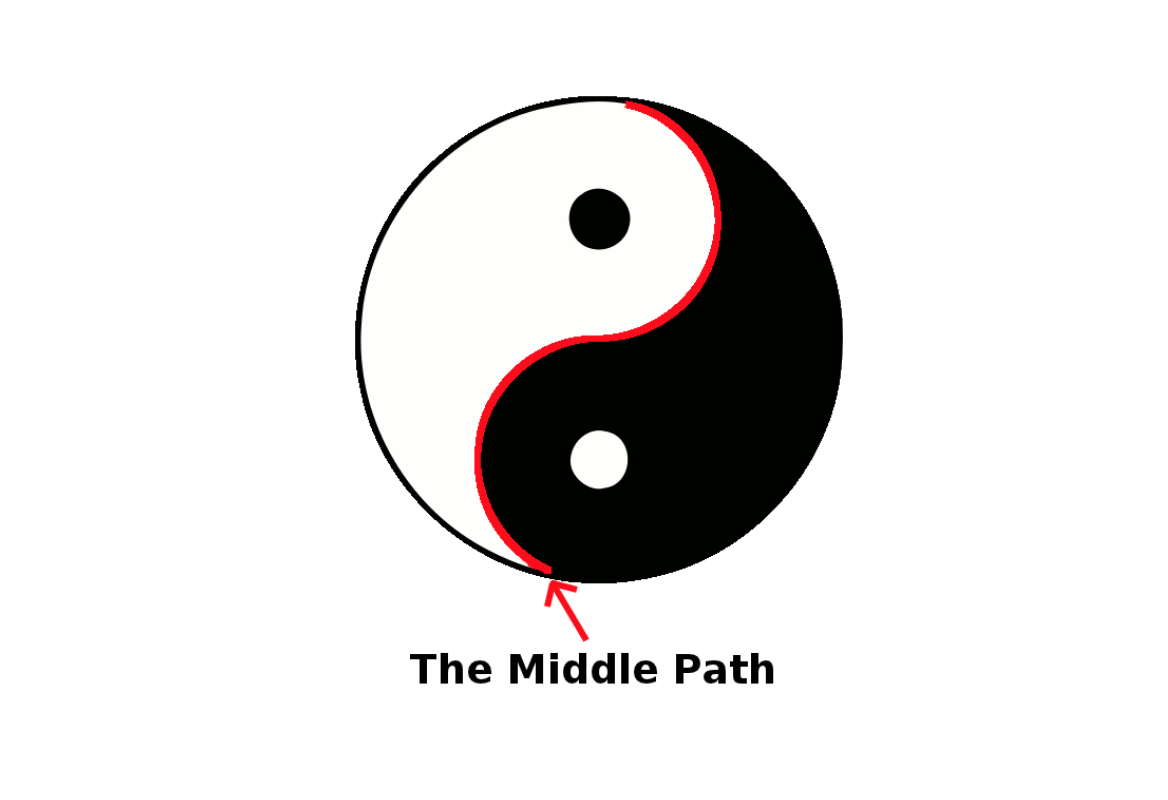
Analyzing Yourself on the Middle Path
The middle path is a mindfulness-based approach that replaces black-and-white thinking with balance and flexibility. As Dr. Christine E. Dickson explains, instead of swinging to extremes, we can consider multiple perspectives, weigh options, and use coping skills to both feel and manage emotions. Practicing mindful awareness helps us notice when we’re drifting to an extreme…
-
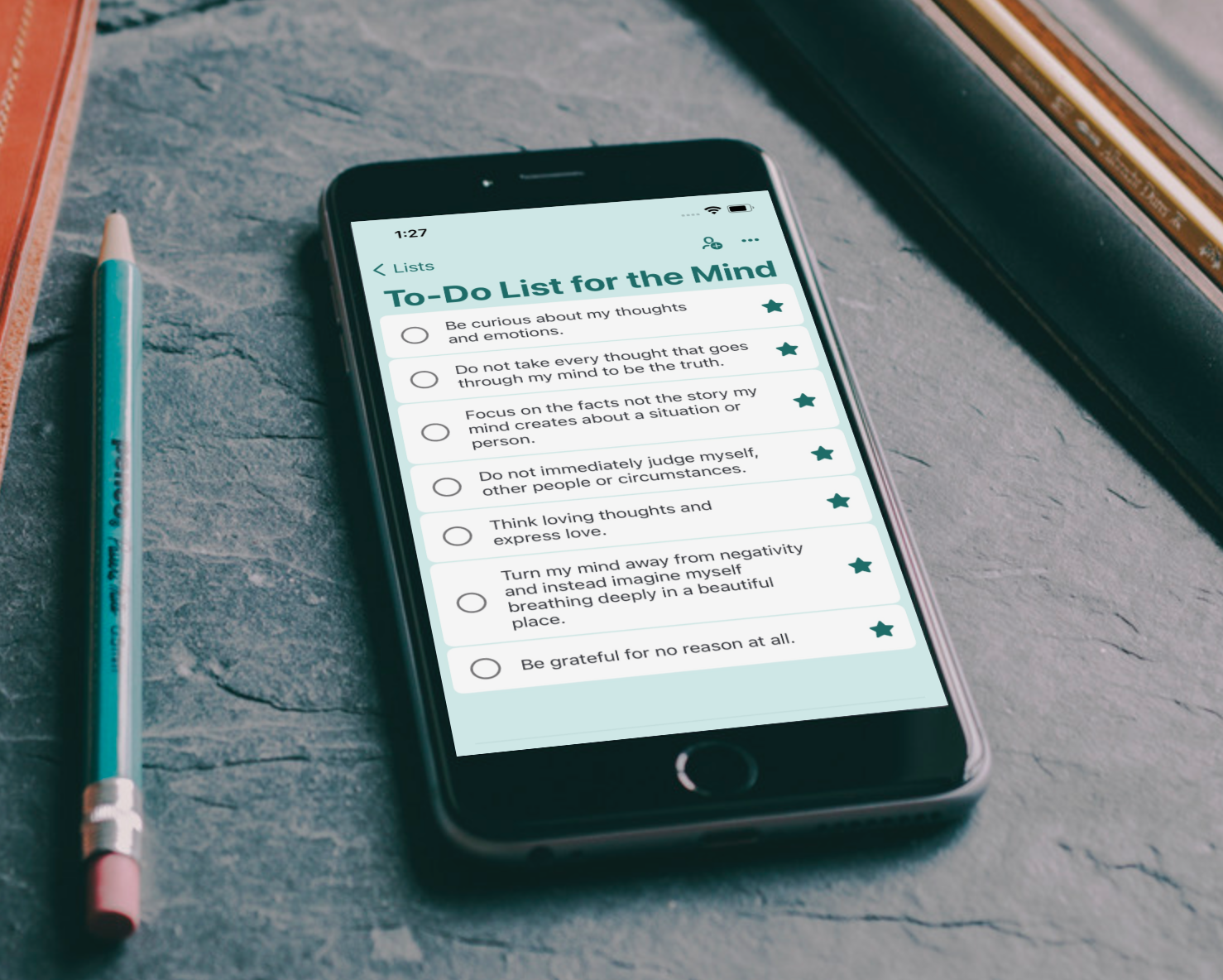
To-Do List for the Mind
Most of us rely on to-do lists to stay organized and productive, but what if we created a to-do list for the mind? As Dr. Christine E. Dickson discovered, using a to-do list app to write positive thoughts instead of tasks can help us value and practice them daily. By reading this list each morning,…
-

8 Ways to Manage Electronic Distractions
Managing electronic distractions is a challenge for many people. We often lose track of time scrolling, checking emails, or jumping between apps. In this article, Dr. Christine E. Dickson shares 8 practical strategies to reduce digital overwhelm, set healthy limits, and regain focus in your daily life.
-

How to Make a Shame Siren
Toxic shame convinces us that we are “not good enough” or “worthless,” fueling anxiety, depression, and destructive behaviors. As Dr. Christine E. Dickson explains, the first step in healing is recognizing when we shame ourselves or allow others to shame us. Using tools like the “Shame Siren” and daily affirmations, we can externalize shame, reclaim…
-
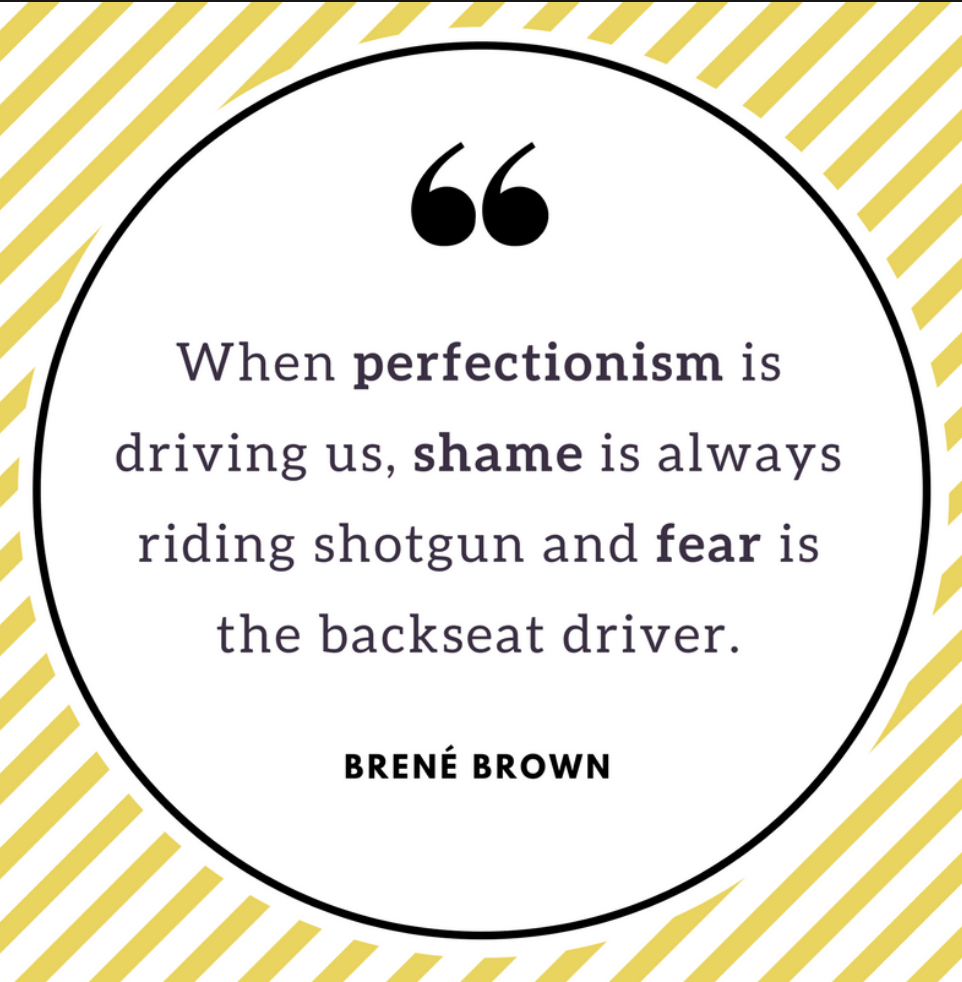
7 Ways to Overcome Perfectionism
Perfectionism is one of the strongest drivers of anxiety, rooted in the belief that worth depends on achievements. As Dr. Christine E. Dickson explains, perfectionism often leads to self-criticism, burnout, and low self-esteem—but it doesn’t have to. By recognizing unhealthy thinking styles, focusing on progress over flaws, setting realistic goals, and embracing pleasure in daily…