
Author: Dr. Christine E. Dickson
-

10 Ways to Break Free from Golden Handcuffs
Breaking free from golden handcuffs means letting go of the security that keeps you stuck in a work situation that no longer serves you. In this post, Dr. Christine Dickson explores the hidden costs of comfort, the fear of change, and the courage it takes to step toward freedom, balance, and a more meaningful life.
-

Fueling Your Mind and Body with Optimal Nutrition
Nutrition is one of the most powerful ways to support both mental clarity and physical health. In this article, Dr. Christine Dickson shares her lifelong passion for nutrition and offers practical strategies to fuel your mind and body, boost energy, and enhance overall wellbeing.
-

Emotional Boundaries: What’s in You is Not in Me
Emotional boundaries are invisible lines that separate our feelings, responsibilities, and problems from those of others. They help us distinguish between what is ours to deal with and what belongs to someone else. When we have strong emotional boundaries, we can empathize with others without taking on their emotional burdens.
-

Overcoming Outrage Addiction
Outrage is everywhere today — in the news, on social media, and even in daily conversations. While anger can sometimes spark positive change, it can also become addictive and damaging to our mental health. In this post, Dr. Christine Dickson explains what outrage addiction is, why it’s harmful, and how you can break free to…
-

The Codependent Sea: A Short Story
Codependency is more than enabling someone’s addiction — it’s a complex psychological trap that can draw even well-adjusted people into harmful relationships. In this post, Dr. Christine Dickson shares insights from decades of clinical experience and introduces her story of the “codependent sea” to help readers recognize, understand, and begin to break free from these…
-
6 Morning Rituals to Win the Day
A mindful morning routine can do more than boost productivity — it sets the tone for calm, focus, and balance throughout your day. In this post, Dr. Christine Dickson shares practical steps for creating sustainable rituals that reduce decision fatigue, energize your body, and cultivate gratitude, so you can start each morning with purpose and…
-

5 Ways to Declutter your Mind
A cluttered mind can leave you feeling scattered, anxious, and overwhelmed. In this post, Dr. Christine Dickson shares five practical strategies — from mindfulness and radical acceptance to self-reflection and letting go of ego — that will help you clear mental space, embrace the present moment, and find greater peace and clarity.
-
The Influence of Aspartame on Mental Health
As a clinical psychologist, I usually advise my clients to stay away from aspartame. And when I’m working with new clients struggling with anxiety and depression, I recommend they take a break from aspartame. Surprisingly, after a few weeks, many clients start feeling better and don’t need psychiatric medications.
-
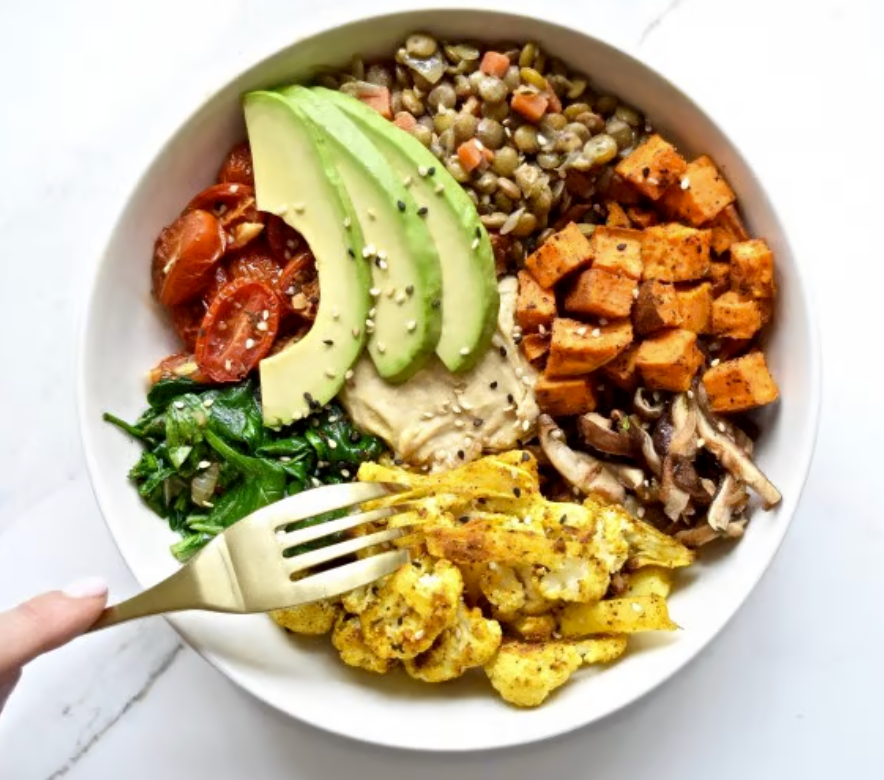
The Impact of Nutrient Deficiencies on Mental Health
Nutrient deficiencies are frequently underestimated factors that can contribute to mental health concerns. As part of the counseling process with new clients, it is customary to recommend a comprehensive blood panel that assesses levels of B vitamins, vitamin D, magnesium, and iron.
-
Embracing Imperfection: A Guide to Self-Acceptance
Perfectionism may drive us to succeed, but it often comes at the cost of stress, self-criticism, and strained relationships. In this post, Dr. Christine Dickson explores the hidden traps of perfectionism and offers practical steps to embrace imperfection — from mindfulness and self-compassion to setting realistic goals — so you can build resilience, boost creativity,…