
Tag: Stress Management
-

How to Use the STOP Skill
When emotions run high, it’s easy to react impulsively. The STOP technique—Stop, Take a breath, Observe, Proceed—offers a mindful way to pause and respond with clarity. In this article, Dr. Christine E. Dickson explains how to use this DBT skill in everyday life, so you can manage stress, improve relationships, and make more intentional choices.
-

Using TIP to Tolerate Distress
When emotions feel overwhelming, the TIP skill—Temperature, Intense Exercise, and Paced Breathing—can help calm your body and mind fast. In this article, Dr. Christine E. Dickson explains how to use this DBT distress tolerance tool to reset your body chemistry, reduce anxiety, and regain control in moments of high stress.
-

Pushing Away: A Distress Tolerance Tool
Emotions can’t always be controlled, but they can be managed with the right tools. The DBT skill “Pushing Away” helps create distance from overwhelming feelings so you can respond more calmly. In this article, Dr. Christine E. Dickson explains how to use this distress tolerance technique to pause, regroup, and approach emotions with greater clarity.
-
4 Ways to Cope with Panic Attacks
Panic attacks can feel overwhelming, but resisting or fighting the symptoms often makes them worse. As Dr. Christine E. Dickson explains, the key is to face the sensations with compassion, accept what your body is doing, and allow the wave of panic to rise and fall naturally. With grounding strategies such as calming breath, mindful…
-
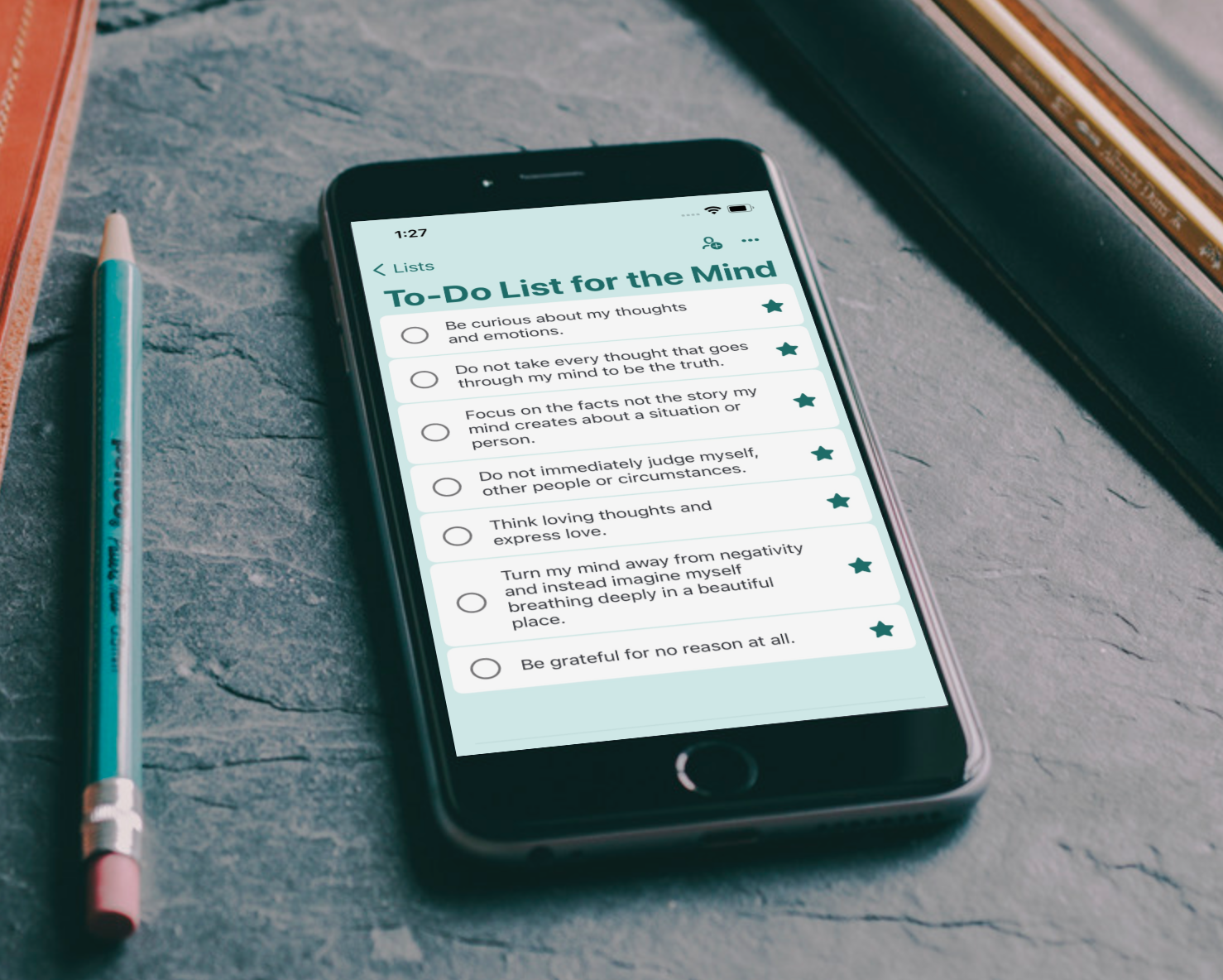
To-Do List for the Mind
Most of us rely on to-do lists to stay organized and productive, but what if we created a to-do list for the mind? As Dr. Christine E. Dickson discovered, using a to-do list app to write positive thoughts instead of tasks can help us value and practice them daily. By reading this list each morning,…
-

6 Steps to Staying Sane in the Conflict Zone
Conflict is an inevitable part of life, but learning how to manage it can protect our wellbeing. As Dr. Christine E. Dickson explains, staying calm in the “conflict zone” is a skill we can develop. By avoiding triggers, not taking things personally, giving ourselves time-outs, practicing mindful breathing, talking through feelings, and keeping a sense…
-
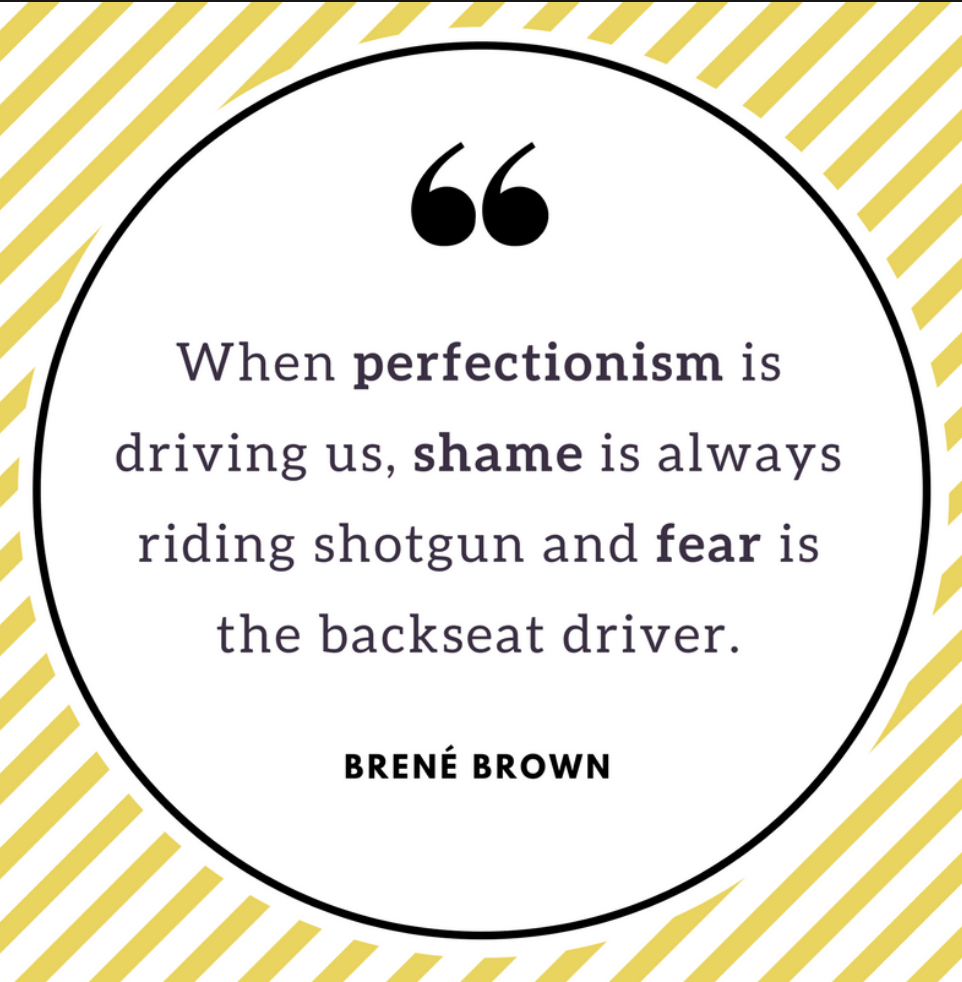
7 Ways to Overcome Perfectionism
Perfectionism is one of the strongest drivers of anxiety, rooted in the belief that worth depends on achievements. As Dr. Christine E. Dickson explains, perfectionism often leads to self-criticism, burnout, and low self-esteem—but it doesn’t have to. By recognizing unhealthy thinking styles, focusing on progress over flaws, setting realistic goals, and embracing pleasure in daily…
-

How to Take Hold of the Mind
Before we can calm the mind, we must first calm the body. Meditation—through simple practices like breathing, mindful walking, or body scans—creates the foundation for taking hold of our thoughts. As Dr. Christine E. Dickson explains, learning to step back and observe the mind as a “witness” helps us see thoughts as stories rather than…
-

SufferWell Tonic
Many people turn to alcohol, marijuana, or sleep aids to cope with suffering, but these often leave us feeling worse. As Dr. Christine E. Dickson shares, a simple apple cider vinegar and honey tonic—used since Ancient Egypt—can calm the body, ease anxiety, and even improve sleep. This natural “SufferWell Tonic” may not only soothe suffering…
-

Craft Away Anxiety
In 2007, while working as a prison psychologist, Dr. Christine E. Dickson found that crafting was the most effective activity for reducing anxiety in solitary confinement. Years later, she noticed the same calming benefits while crafting with her son during the pandemic—showing that creative, hands-on projects can ease stress in any kind of lockdown.