
Tag: emotional regulation
-

Changing Emotions by Acting Opposite
Most of us don’t realize how often our emotions control our lives — keeping us stuck, fearful, or reactive. In this article, Dr. Christine E. Dickson explains how the powerful DBT skill “Opposite of Emotion Action” can help you break free from fear, guilt, sadness, or anger and take back control of your life.
-
A Guide to Dialectical Thinking
Dialectical thinking teaches us to move beyond black-and-white views and embrace “both/and” perspectives. By practicing dialectical thinking, we gain flexibility, resilience, and compassion—tools that help us manage emotions, relationships, and everyday challenges with greater balance.
-

7 Ways to Improve the Moment
Strong emotional reactions are an unavoidable part of life. From time to time, we will experience strong emotions due to stressful situations in our life. It could be anything from getting bad news to having an argument with a loved one. Strong emotional reactions are normal but most of us don’t know how to cope…
-

Compassion for Difficult People: A Mindfulness Meditation
Dr. Christine E. Dickson shares a powerful mindfulness meditation from Thich Nhat Hanh’s The Miracle of Mindfulness—“Compassion for the person you hate or despise the most.” This simple yet profound practice helps transform anger into understanding, reminding us that compassion is the only path to freedom from resentment.
-

Soothing Emotions with the Five Senses
Discover how soothing your five senses—sight, sound, touch, smell, and taste—can help you calm your mind and body. This guide explains simple self-soothing techniques that can reduce stress and restore emotional balance, even if you’ve never learned them before.
-

6 Ways to Reduce Vulnerability to Emotions
Emotional vulnerability often increases when we neglect basic health habits like sleep, nutrition, and exercise. Dr. Christine E. Dickson explains how simple daily routines—such as staying hydrated, eating balanced meals, and practicing mindfulness—can strengthen emotional resilience and help prevent overreactions to everyday stressors, keeping both mind and body in balance.
-
8 Ways to Stop Obsessive Thinking
Obsessive thinking can feel like being trapped in a mental loop. The more you engage with it, the deeper you spiral. Breaking free requires shifting your attention — through movement, breath, creativity, or connection. These mindful strategies from Dr. Christine E. Dickson help calm your mind and restore emotional balance.
-

7 Techniques for Practicing Mindfulness Meditation
This article provides a list and description of Dr. Christine E. Dickson’s favorite mindfulness meditation techniques.
-
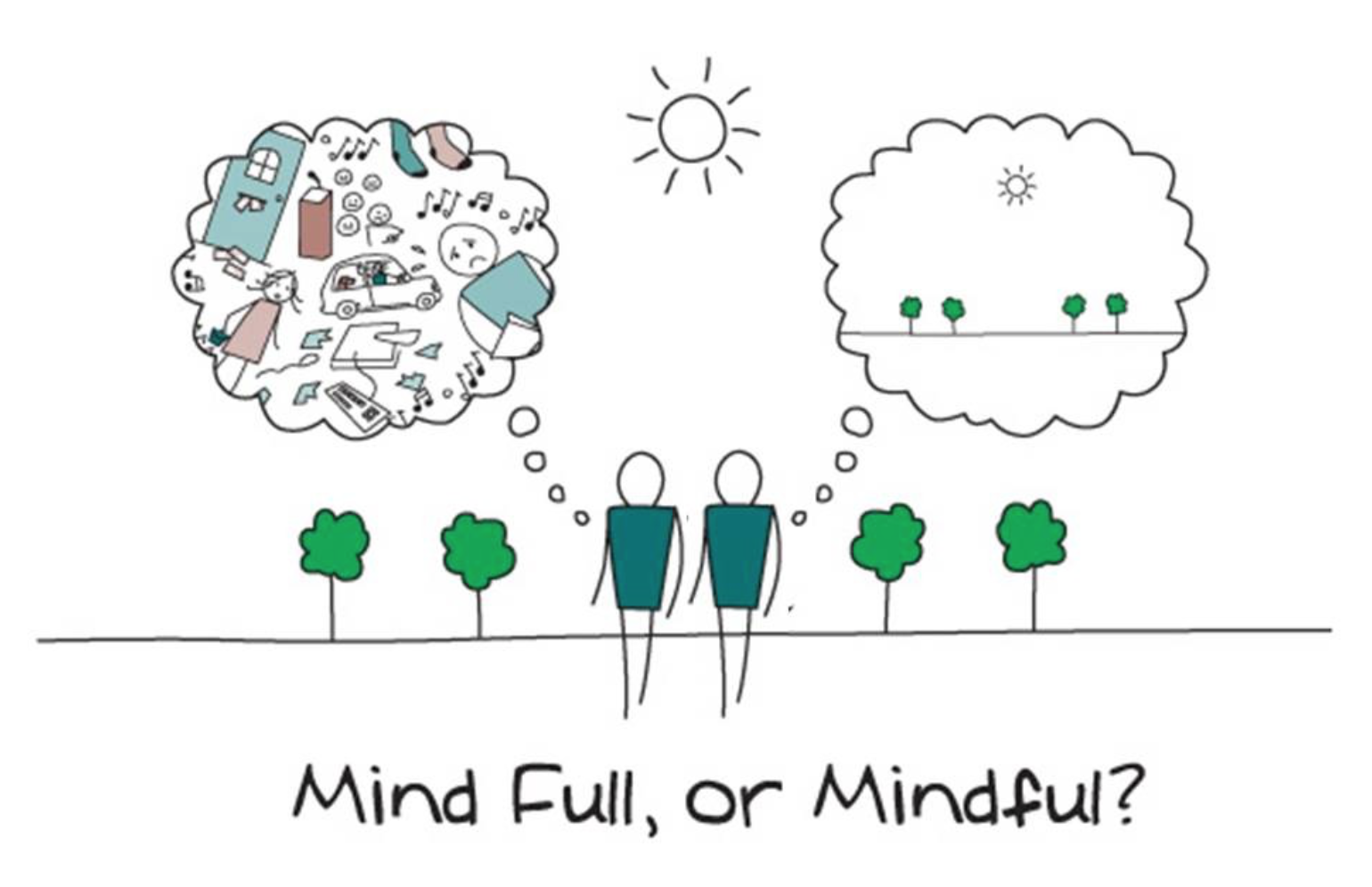
Putting Mindfulness to Work
Mindfulness as a concept has very little to do with meditation or spirituality. Mindfulness provides us with a new way of thinking and conceiving reality. It transforms how we react to stimuli from our environment and how we perceive information coming through our senses.
-
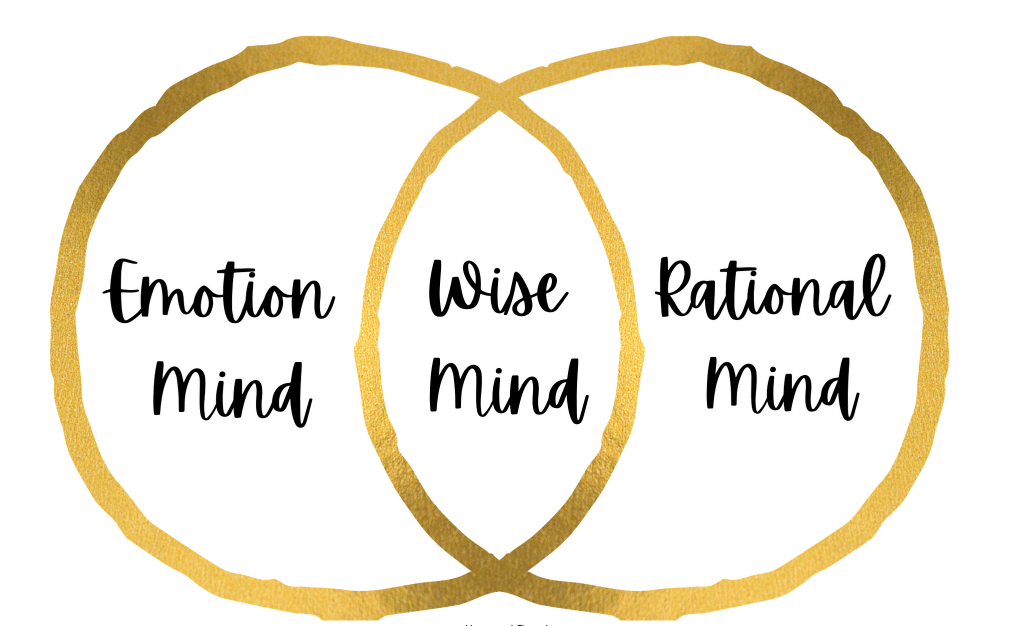
Using Wise Mind to Manage Stress
Managing stress is a crucial skill in today’s fast-paced world. One approach that can help is using the concept of the wise mind from Dialectical Behavioral Therapy (DBT). DBT is a form of psychotherapy that emphasizes the importance of balancing emotions and reasoning to improve mental health. The wise mind is a combination of the…