
Tag: DBT skills
-

Half-Smiling: A Mindfulness Meditation
Half-smiling is a simple yet powerful mindfulness practice that helps you manage difficult emotions, reduce stress, and approach challenges with balance and self-compassion. In this post, Dr. Christine Dickson shares how the half-smile technique can shift your emotional state and build resilience in everyday situations.
-
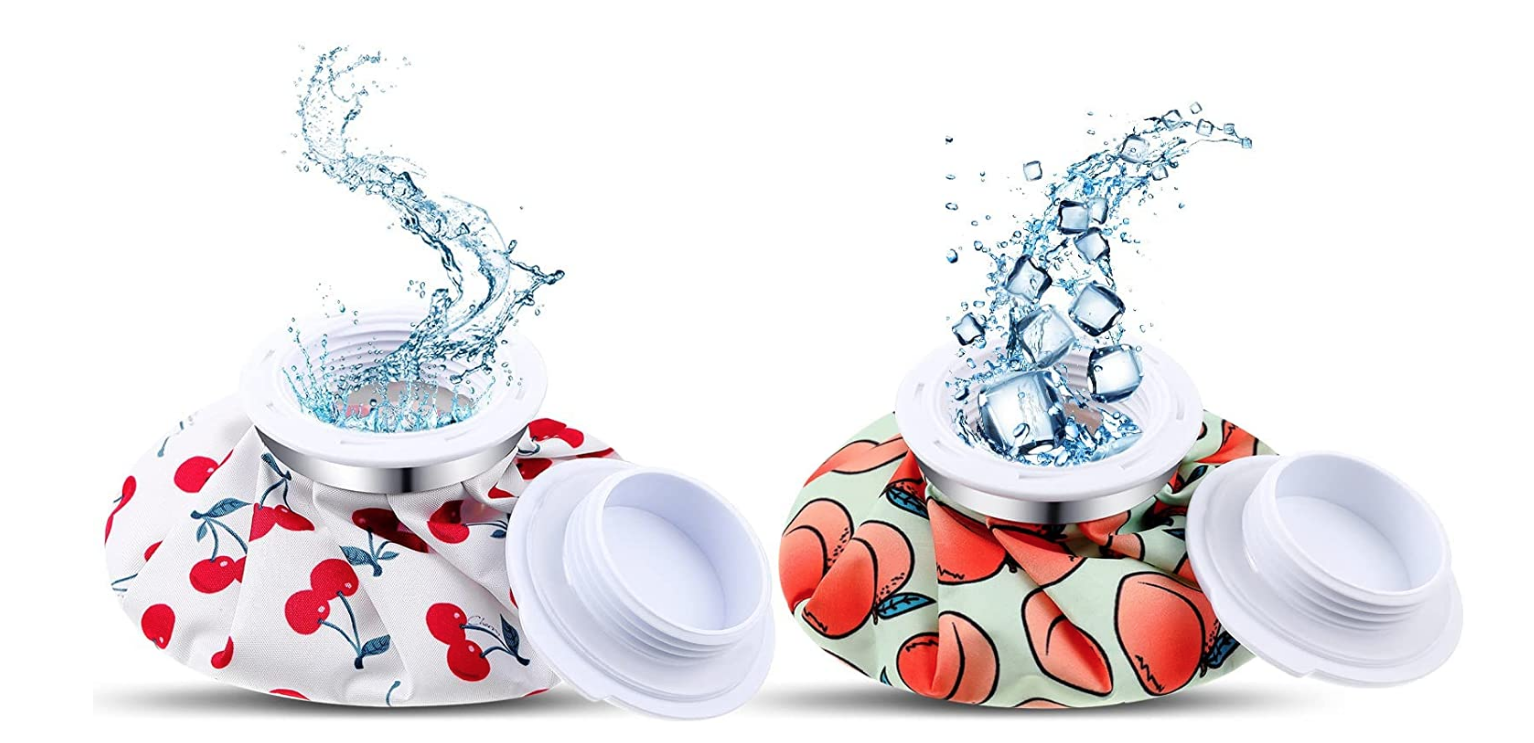
Ice Packs for Anxiety
Anxiety can feel overwhelming, but sometimes the simplest tools bring the greatest relief. In this post, Dr. Christine Dickson explains how using ice packs can help calm racing thoughts, soothe physical symptoms, and ground you in the present moment — offering a quick, practical way to ease anxiety when it hits.
-

How to Use the STOP Skill
When emotions run high, it’s easy to react impulsively. The STOP technique—Stop, Take a breath, Observe, Proceed—offers a mindful way to pause and respond with clarity. In this article, Dr. Christine E. Dickson explains how to use this DBT skill in everyday life, so you can manage stress, improve relationships, and make more intentional choices.
-

Using TIP to Tolerate Distress
When emotions feel overwhelming, the TIP skill—Temperature, Intense Exercise, and Paced Breathing—can help calm your body and mind fast. In this article, Dr. Christine E. Dickson explains how to use this DBT distress tolerance tool to reset your body chemistry, reduce anxiety, and regain control in moments of high stress.
-

Pushing Away: A Distress Tolerance Tool
Emotions can’t always be controlled, but they can be managed with the right tools. The DBT skill “Pushing Away” helps create distance from overwhelming feelings so you can respond more calmly. In this article, Dr. Christine E. Dickson explains how to use this distress tolerance technique to pause, regroup, and approach emotions with greater clarity.
-
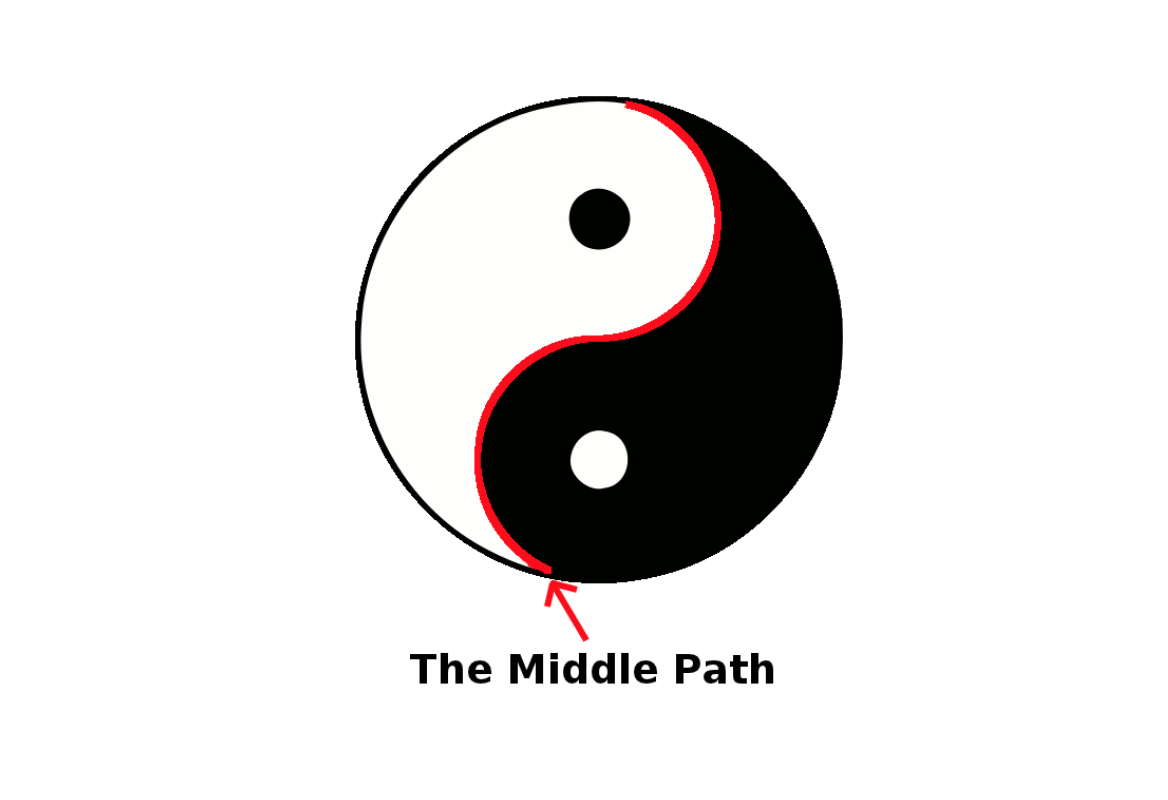
Analyzing Yourself on the Middle Path
The middle path is a mindfulness-based approach that replaces black-and-white thinking with balance and flexibility. As Dr. Christine E. Dickson explains, instead of swinging to extremes, we can consider multiple perspectives, weigh options, and use coping skills to both feel and manage emotions. Practicing mindful awareness helps us notice when we’re drifting to an extreme…
-

How to Take Hold of the Mind
Before we can calm the mind, we must first calm the body. Meditation—through simple practices like breathing, mindful walking, or body scans—creates the foundation for taking hold of our thoughts. As Dr. Christine E. Dickson explains, learning to step back and observe the mind as a “witness” helps us see thoughts as stories rather than…
-

Changing Emotions by Acting Opposite
Most of us don’t realize how often our emotions control our lives — keeping us stuck, fearful, or reactive. In this article, Dr. Christine E. Dickson explains how the powerful DBT skill “Opposite of Emotion Action” can help you break free from fear, guilt, sadness, or anger and take back control of your life.
-
A Guide to Dialectical Thinking
Dialectical thinking teaches us to move beyond black-and-white views and embrace “both/and” perspectives. By practicing dialectical thinking, we gain flexibility, resilience, and compassion—tools that help us manage emotions, relationships, and everyday challenges with greater balance.
-
7 Ways to Improve the Moment
Strong emotional reactions are an unavoidable part of life. From time to time, we will experience strong emotions due to stressful situations in our life. It could be anything from getting bad news to having an argument with a loved one. Strong emotional reactions are normal but most of us don’t know how to cope…