
Category: Anxiety & Stress
-
Focus On What You Can Control
Anxiety is a common problem that affects millions of people worldwide. It can be a debilitating condition that interferes with daily life and prevents individuals from achieving their goals. However, there are strategies that can help manage anxiety, one of which is focusing on what you can control.
-
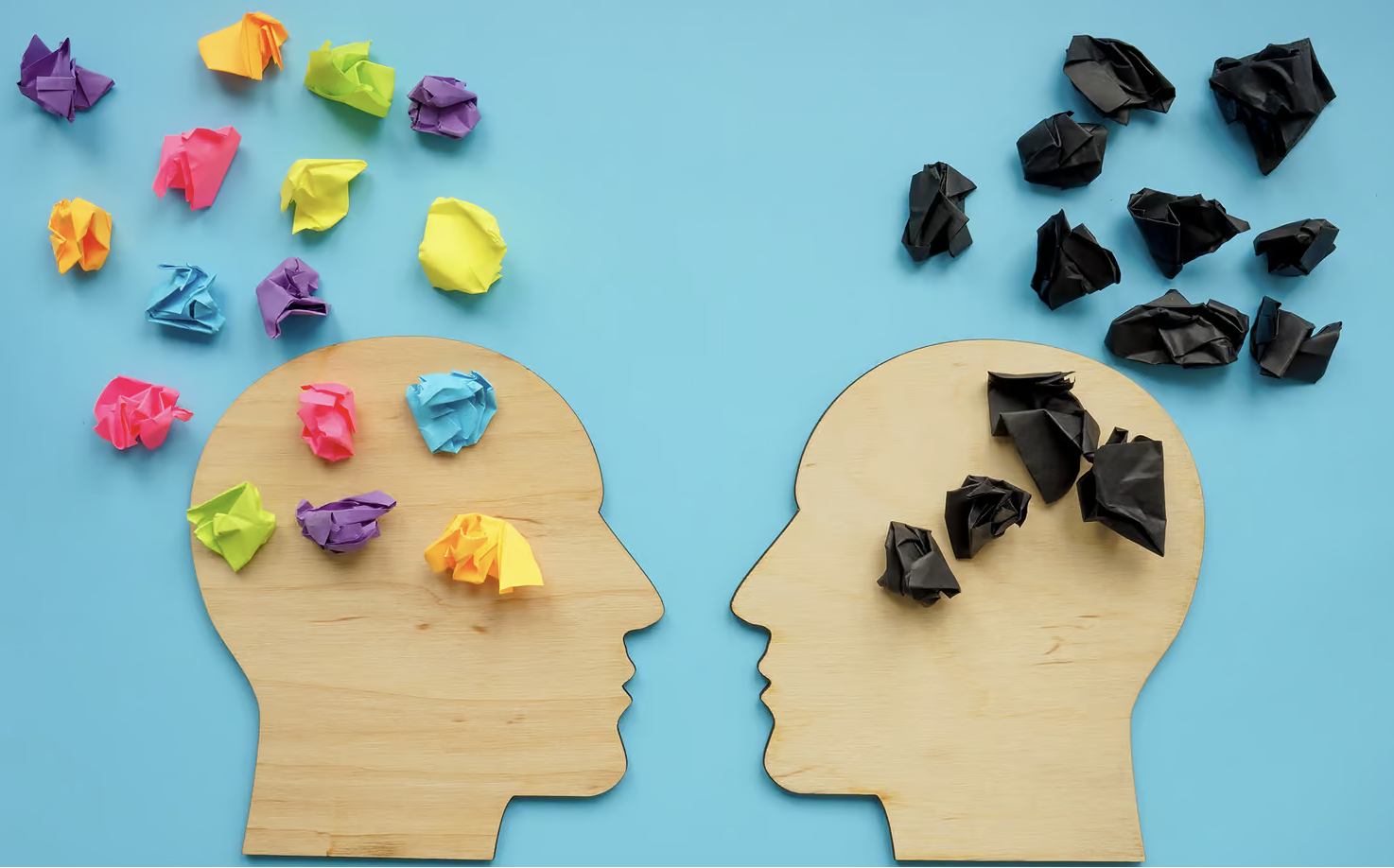
6 Ways to Manage Intrusive Thoughts
Intrusive thoughts can feel overwhelming, whether they involve fears about contamination, relationships, or perfectionism. In this article, Dr. Christine E. Dickson outlines six practical strategies—such as mindfulness, reframing, and creating a trigger plan—to help you manage intrusive thoughts, reduce anxiety, and regain a sense of calm.
-
The Art of Non-Doing
In a world that glorifies busyness, slowing down can feel radical. The art of non-doing reduces stress, sparks creativity, and deepens mindfulness. In this article, Dr. Christine E. Dickson explores how intentional pauses—like scheduling downtime, disconnecting from tech, and embracing boredom—can restore balance and well-being.
-

Fact-Checking Our Emotions
Feelings are powerful, but they don’t always reflect reality. In this article, Dr. Christine E. Dickson explains how recognizing that “feelings aren’t facts” can help you manage emotions more effectively, challenge unhelpful thoughts, and make choices aligned with your values.
-
Effective Rethinking and Paired Relaxation: A Step-by-Step Guide
Learn how effective rethinking and paired relaxation can help you manage negative thoughts and emotions. This step-by-step guide shows you how to challenge unhelpful thinking, create balanced alternatives, and pair them with calming relaxation techniques to reduce stress and build resilience.
-

Using TIP to Tolerate Distress
When emotions feel overwhelming, the TIP skill—Temperature, Intense Exercise, and Paced Breathing—can help calm your body and mind fast. In this article, Dr. Christine E. Dickson explains how to use this DBT distress tolerance tool to reset your body chemistry, reduce anxiety, and regain control in moments of high stress.
-
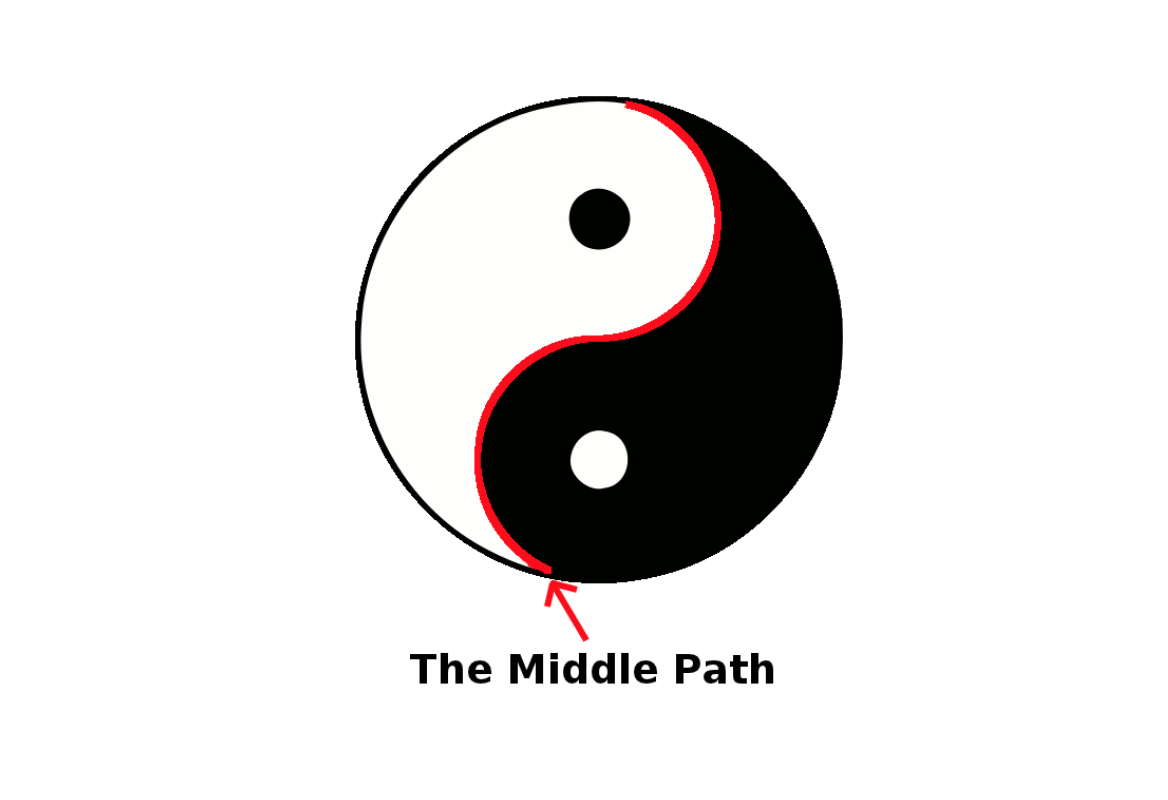
Analyzing Yourself on the Middle Path
The middle path is a mindfulness-based approach that replaces black-and-white thinking with balance and flexibility. As Dr. Christine E. Dickson explains, instead of swinging to extremes, we can consider multiple perspectives, weigh options, and use coping skills to both feel and manage emotions. Practicing mindful awareness helps us notice when we’re drifting to an extreme…
-
4 Ways to Cope with Panic Attacks
Panic attacks can feel overwhelming, but resisting or fighting the symptoms often makes them worse. As Dr. Christine E. Dickson explains, the key is to face the sensations with compassion, accept what your body is doing, and allow the wave of panic to rise and fall naturally. With grounding strategies such as calming breath, mindful…
-
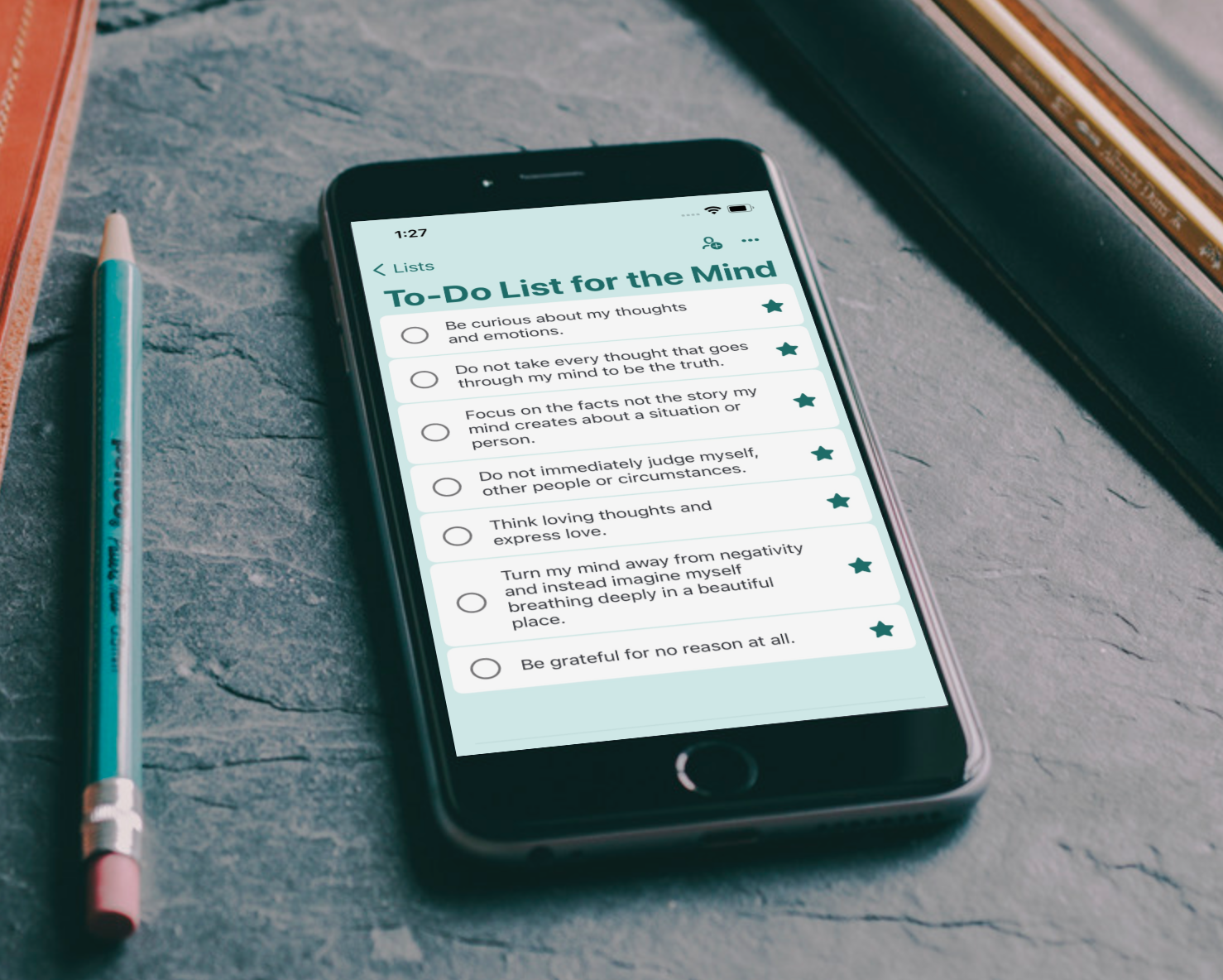
To-Do List for the Mind
Most of us rely on to-do lists to stay organized and productive, but what if we created a to-do list for the mind? As Dr. Christine E. Dickson discovered, using a to-do list app to write positive thoughts instead of tasks can help us value and practice them daily. By reading this list each morning,…
-
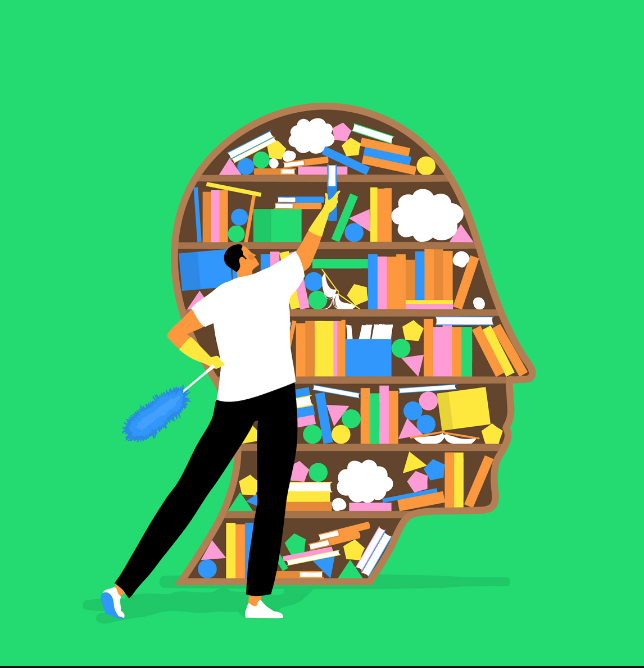
How to Take Hold of the Mind
Before we can calm the mind, we must first calm the body. Meditation—through simple practices like breathing, mindful walking, or body scans—creates the foundation for taking hold of our thoughts. As Dr. Christine E. Dickson explains, learning to step back and observe the mind as a “witness” helps us see thoughts as stories rather than…