
Tag: self-care
-
Effective Rethinking and Paired Relaxation: A Step-by-Step Guide
Learn how effective rethinking and paired relaxation can help you manage negative thoughts and emotions. This step-by-step guide shows you how to challenge unhelpful thinking, create balanced alternatives, and pair them with calming relaxation techniques to reduce stress and build resilience.
-
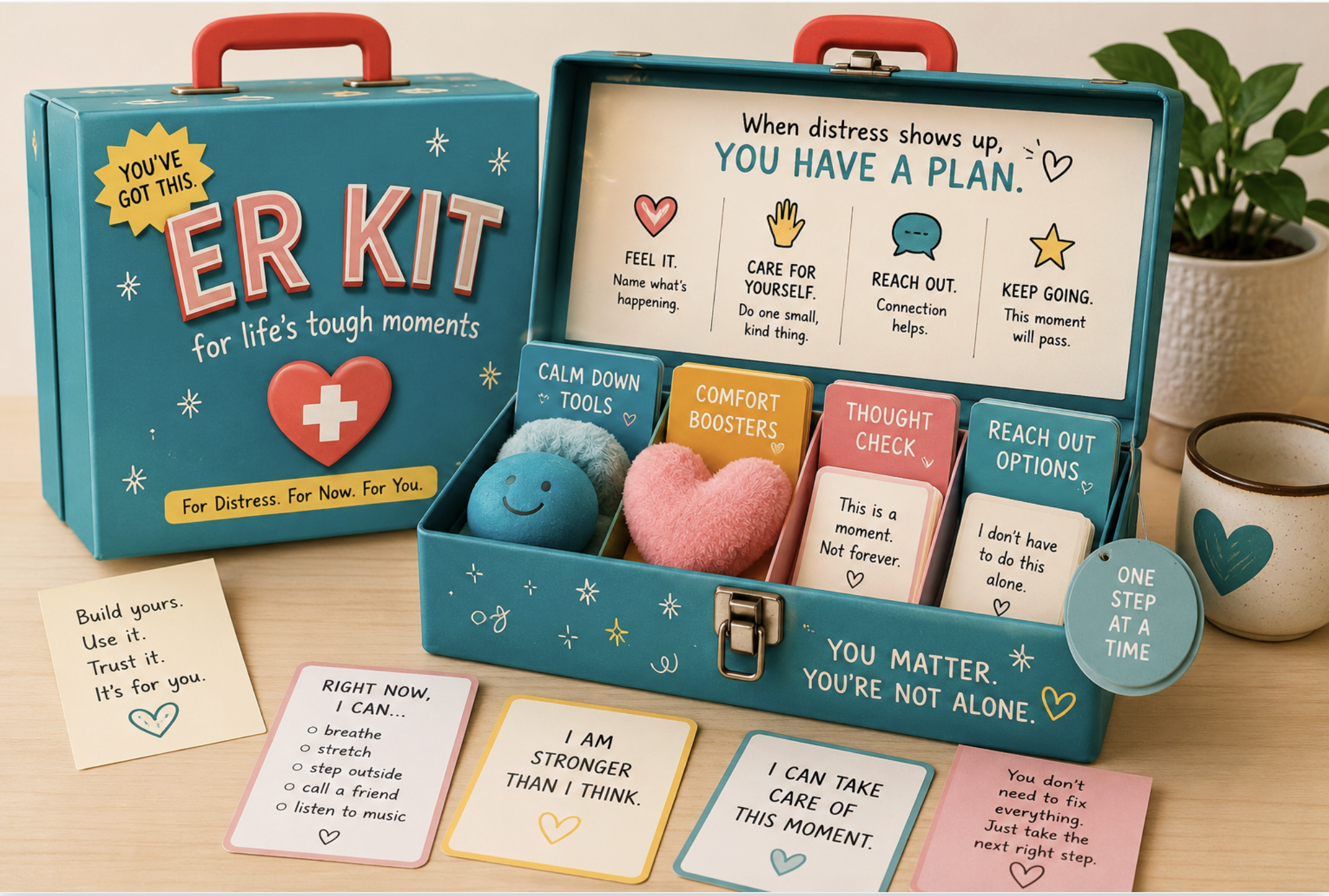
ER Kit: Planning for Distress
Strong emotions can feel overwhelming, but preparing an emotional emergency kit can help you stay grounded during stressful times. In this article, Dr. Christine E. Dickson shares practical tips for creating a personalized kit—filled with comfort items, grounding tools, coping strategies, and emergency contacts—to support your mental health when life feels unpredictable.
-

How to Use the STOP Skill
When emotions run high, it’s easy to react impulsively. The STOP technique—Stop, Take a breath, Observe, Proceed—offers a mindful way to pause and respond with clarity. In this article, Dr. Christine E. Dickson explains how to use this DBT skill in everyday life, so you can manage stress, improve relationships, and make more intentional choices.
-

Using TIP to Tolerate Distress
When emotions feel overwhelming, the TIP skill—Temperature, Intense Exercise, and Paced Breathing—can help calm your body and mind fast. In this article, Dr. Christine E. Dickson explains how to use this DBT distress tolerance tool to reset your body chemistry, reduce anxiety, and regain control in moments of high stress.
-

Pushing Away: A Distress Tolerance Tool
Emotions can’t always be controlled, but they can be managed with the right tools. The DBT skill “Pushing Away” helps create distance from overwhelming feelings so you can respond more calmly. In this article, Dr. Christine E. Dickson explains how to use this distress tolerance technique to pause, regroup, and approach emotions with greater clarity.
-

How to Manage Complex PTSD
Complex PTSD (C-PTSD) can leave survivors feeling trapped in cycles of pain, but healing is possible. Drawing on insights from Bessel van der Kolk, author of The Body Keeps the Score, Dr. Christine E. Dickson shares strategies for recovery—including mindfulness, exercise, social support, creativity, and trauma-focused therapy—to help you reclaim your life.
-
4 Ways to Cope with Panic Attacks
Panic attacks can feel overwhelming, but resisting or fighting the symptoms often makes them worse. As Dr. Christine E. Dickson explains, the key is to face the sensations with compassion, accept what your body is doing, and allow the wave of panic to rise and fall naturally. With grounding strategies such as calming breath, mindful…
-
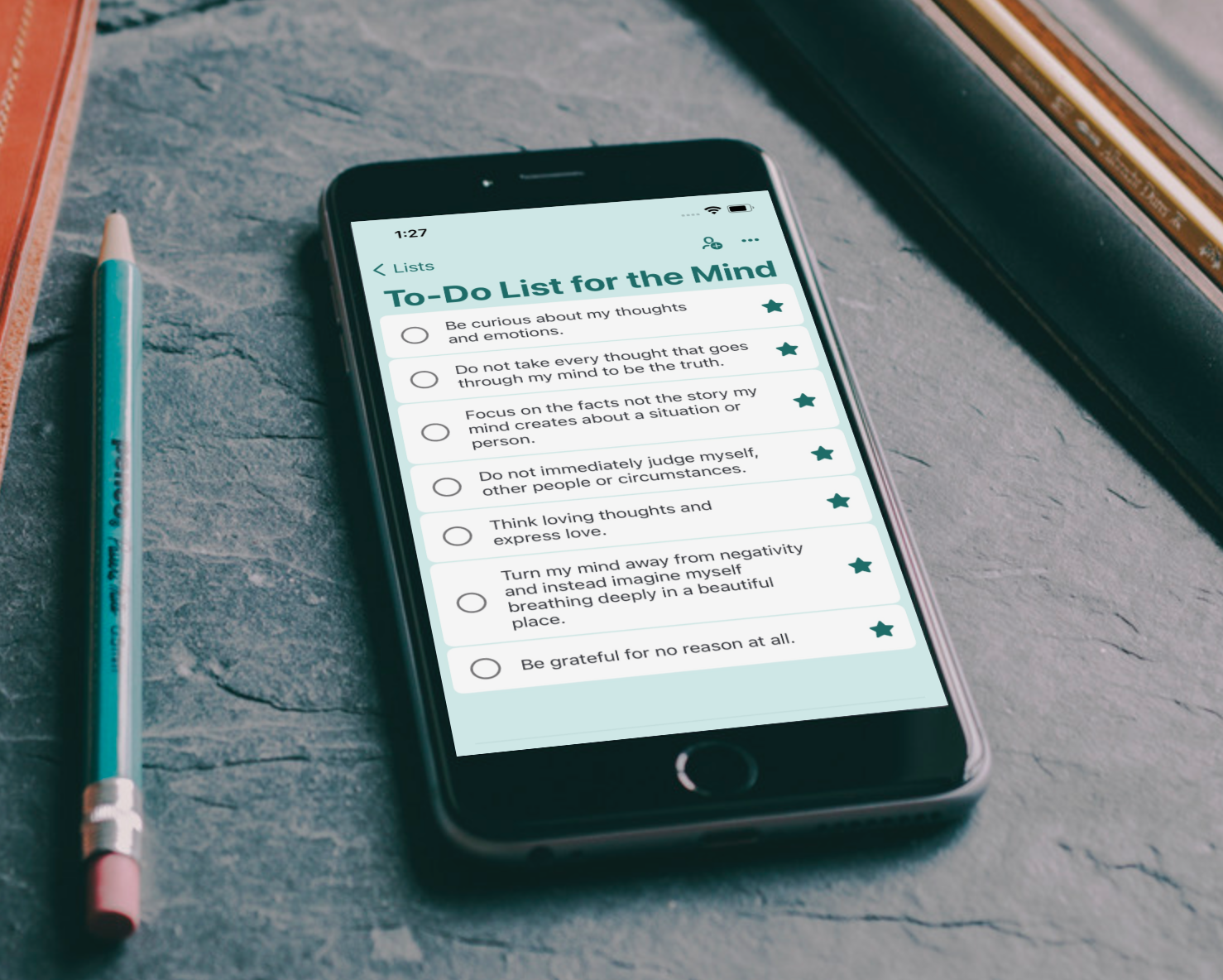
To-Do List for the Mind
Most of us rely on to-do lists to stay organized and productive, but what if we created a to-do list for the mind? As Dr. Christine E. Dickson discovered, using a to-do list app to write positive thoughts instead of tasks can help us value and practice them daily. By reading this list each morning,…
-

8 Ways to Manage Electronic Distractions
Managing electronic distractions is a challenge for many people. We often lose track of time scrolling, checking emails, or jumping between apps. In this article, Dr. Christine E. Dickson shares 8 practical strategies to reduce digital overwhelm, set healthy limits, and regain focus in your daily life.
-

SufferWell Tonic
Many people turn to alcohol, marijuana, or sleep aids to cope with suffering, but these often leave us feeling worse. As Dr. Christine E. Dickson shares, a simple apple cider vinegar and honey tonic—used since Ancient Egypt—can calm the body, ease anxiety, and even improve sleep. This natural “SufferWell Tonic” may not only soothe suffering…